Ghosts to Carry, Stories to Keep

Where memory meets the page, one moment at a time.

  • Silesian Tracks : A Not So Typical Sunday Morning
    11–16 minutes

    In The Middle

    A quiet Sunday morning, October 2013.

    A message from a friend suggesting we meet somewhere closer to Katowice, cycle around the outskirts, then grab some lunch. Perfect.

    We agreed to meet on the train — she’d board at Chorzów Batory; I’d get on at Gliwice.

    I cycled down to the station in the warm morning light. Beautiful, calm, almost empty. As I approached, I noticed several police cars and a couple of those personnel carriers they use for riot units.

    Odd, but everything outside seemed quiet enough.

    I pushed my bike into the ticket hall. Still quiet. No officers, no commotion. I bought my ticket from the kasjerka, who behaved as if it were any other Sunday.

    Down in the subway, the departure board showed a train to Katowice leaving in a few minutes. Perfect timing. I’d get on, call my friend, and tell her I was on my way.

    Ahead of me, an elderly lady in a heavy coat and headscarf — despite the warm weather — was making her way toward the stairs to Platform 1. She carried a bag full of leafy vegetables, the kind of bag that looks heavier than she is.

    I followed her around the corner.

    That’s when I saw them.

    Two police officers, halfway up the stairs, in full riot gear: helmets, visors down, body armour, shields, and — as well as their sidearms — each carrying what I recognised as a tactical shotgun.

    I froze.

    The old lady was already remonstrating with them, clearly unhappy about being told she couldn’t pass. I had no idea what was happening.

    I’d grown used to seeing Polish police with pistols, and I’d seen riot police in Kraków on Cracovia and Wisła Kraków derby day — the so‑called “Holy War” — but this was different.

    This was a quiet Sunday morning in Gliwice different.

    One of the officers directed a sharp command at me. I didn’t understand the exact words, but I didn’t need to — the authority was obvious, and I stayed rooted to the bottom of the steps.

    Looking at the shotguns, my brain automatically assumed the worst. I figured I had stumbled into an active firearms operation, or possibly a public order exercise.

    The old lady, however, was having none of it.

    After a moment, one officer shrugged and waved her through. She marched past them with the determination of someone who has potatoes to peel and no time for nonsense.

    I thought, Well, if babcia can go up there, so can I.

    I hoisted my bike and followed. The officers didn’t stop me.

    On the platform, more riot police. All in full gear. A newer train was waiting, the one I needed — I saw the huge bicycle symbol on the door; the new ELF trains made it impossible to miss — so I headed straight for it with the confidence of someone who knows exactly where they belong.

    What I didn’t know was that the police had chosen the same carriage for entirely different reasons. I pressed the button, the door opened, and I rolled my bike inside.

    Straight into the back of a police shield wall.

    The vestibule was wide, bright, and spotlessly new, but five riot officers stood shoulder to shoulder, their interlocking shields completely blocking the aisle.

    The doors hissed shut behind me, trapping me in the yellow-trimmed entryway. One officer turned her head slightly, giving me a glare that said: What on earth are you doing here?

    In hindsight, I can’t blame her. I had recently treated myself to a very short, tight haircut. I was pushing a minimalist, single‑speed fixie bike hand‑built by Paweł from KAFO. And, of course, I was wearing my blue, red, and white checked scarf.

    To a stressed riot squad, I didn’t look like a confused British commuter. I looked like a hardcore, aerodynamic away-team supporter who had boldly breached a police containment line on a custom bike just to join his fellow lads in the dead zone.

    Every survival instinct should have told me to hit the door release button, step backward, and get off. But I hesitated. In that split second of confusion, my brain couldn’t reconcile the clean, modern bike compartment with an actual ongoing police operation.

    Stranded in the open space, I pointed foolishly past the shields toward the empty bike racks as if I genuinely intended to walk through them.

    To my astonishment, two officers shifted just enough for me to squeeze past with my bicycle. Their shields slammed shut behind me like a gate.

    Beyond the clear plastic of the shields sat a group of about ten hungover Górnik Zabrze football hooligans, occupying the seats on both sides of the aisle, including the folding seats located beneath the bicycle racks.

    They smelled strongly of stale alcohol and defeat.

    Any hope of hanging my bike on the rack evaporated. I was now standing directly in the dead zone between a line of police shields and a group of rather subdued, fed‑up hooligans.

    As an ex-British police officer who had served on Police Support Units, carrying shields and working as a tactical medic, my brain short-circuited.

    We would never, under any circumstances, allow a member of the public to breach a containment line, let alone wander into a hostile sector with a cobbled-together single-speed bike.

    Yet here I was, trapped in the middle of a tactical failure.

    Without looking directly at them, I just had this overwhelming feeling of being stared at. The lads stared at me. Behind my back the police were probably staring at me. I stared at the floor, at my bike, out of the window, trying to look as humanly unfazed as possible.

    Then a bizarre, heavy silence settled over the compartment. It was the kind of absolute quiet that happens when your body tunes into a threat and filters out the world.

    Somewhere in the front of the compartment, but out of my view, the muffled, low murmurs of someone arguing with the officers drifted through, underscored by the faint, rhythmic ticking of the train’s electric generator.

    But inside the dead zone, nobody moved. I gripped my handlebars, trying to project the calm, casual aura of a man who always travels inside a police containment unit on a Sunday morning.

    After a few minutes, the conductor arrived from the opposite side, flanked by two more officers…

    He looked exasperated and exhausted. From the conversation — what little I understood — it was clear the hooligans had no tickets and were refusing to pay. Finding themselves on Piast Gliwice turf might have made them think twice about getting off the train; I will never know, but after five or ten minutes, some left quietly.

    Four or five remained, stubborn and defiant.

    Then my phone rang. I instinctively checked it and saw my friend calling.

    I took the call and whispered in English: “Not now. Sorry. Situation here. Will explain later.”

    Every head turned. The hooligans stared. The conductor stared. The police stared.

    I could almost see the thought forming: Ah. He’s English. That explains everything.

    Eventually, the conductor told the remaining hooligans the train wasn’t going anywhere until they got off. After a minute or so, one of them muttered something, stood up, and signalled to the others. They shuffled out, cursing. With the police trailing closely behind them to ensure they cleared the station territory. The tense, bubble had finally popped.

    As the carriage emptied, I finally did what I had intended to do the entire time: I casually lifted my bike and hung it securely on the rack. The conductor, looking completely exhausted and visibly relieved to have survived the stand-off, walked back down the aisle. I reached into my pocket, pulled out the little paper slip I had bought from the ticket hall, and politely presented it to him.

    In a carriage that had just been locked down by a shield cordon to quarantine a group of hostile, fare-evading away-team ultras, I was probably the only person on that entire half of the train who had actually bought a ticket. He checked it and hurriedly scribbled something across it with a look of profound, bewildered gratitude. Looking at that very ticket today, that little pen stroke remains the ultimate souvenir — an official receipt certifying the time I accidentally broke through a police containment line just to be a law-abiding commuter.

    I called my friend back and explained the delay.

    Her response: “Only you, Gary. This could only happen to you.”
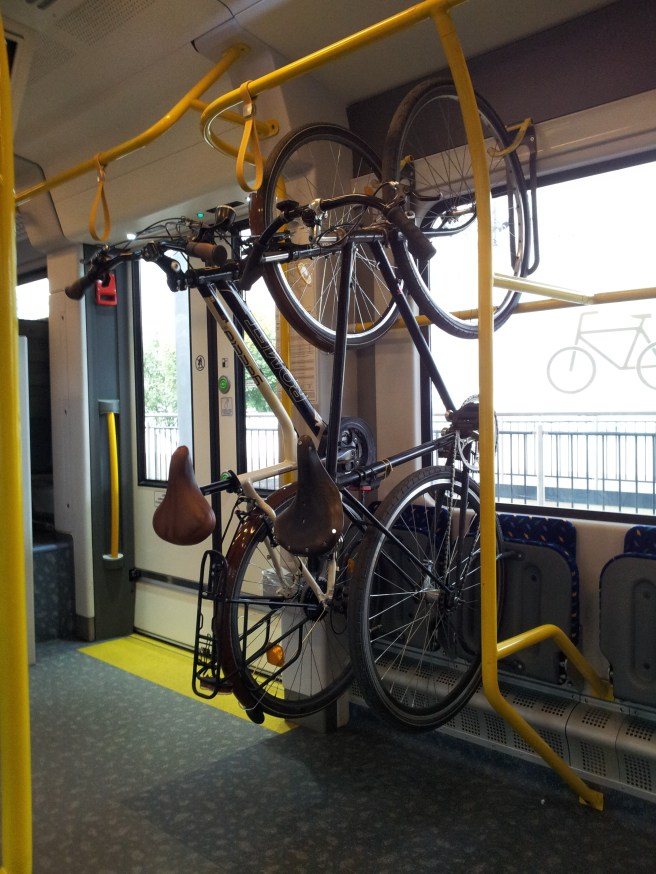
    Two bicycles hanging on a bike rack, compartment of a KS train
    Photo taken of our bikes inside the Koleje Śląskie ELF unit, my bike on the right. The folded seats had been previously occupied by the Górnik Zabrze lads.

    An Epiphany — Maybe it Was The Scarf?

    It wasn’t until a few weeks later, around two in the morning inside my local bar called Koneser, that the missing piece finally clicked into place — or at last I think so.

    Earlier that evening I’d been in Katowice with the friend who had laughed her way through the bicycle fiasco a few weeks earlier. We’d had a couple of beers in a new bar, and eaten some great food, it had been a fantastic evening. We literally had to sprint to the station to catch the last rain back to Gliwice. Only to find a delay and the train we’d hoped to take cancelled. After a short while we discovered another train had been laid on. Instead of the usual route through Ruda Śląska, our train was going to be diverted via Bytom. My friend ended up ringing her brother for a lift because she could no longer get off where she’d planned. None of us seemed particularly bothered. As we’d met a couple, a man and a woman waiting at the station and who sat with us on the train, we’d got on really well. The couple turned out to be lecturers at the Uni Tech in Gliwice — fluent English speakers and absolutely hilarious. My friend confirmed her brother was waiting at Bytom, so when the train pulled in, and she bid us a farewell and disappeared off into the station.

    At some point before arriving in Gliwice, my new friends and I agreed to grab a quick night cap at Koneser — I was delighted that they too had been regulars since it’s very recent opening, and shared the same passion for Czech or Slovakian beer as myself. I’d taken my White Stuff scarf out of my coat pocket, and wrapped it around my neck — probably as we were leaving the train station. The brisk walk in the cold night air had woken me right up. I didn’t usually stay out that late, but I was clear-headed and refreshed. The night wasn’t over yet.

    The bar was surprisingly busy for the time of the morning. Unlike traditional Polish pubs where everyone kept to their separate tables, Koneser had a handful of bar stools right at the counter, or you just stood there, I loved this bar and felt so much at home. We initially all stood at the bar were having a brilliant time. One minute, I was completely absorbed in the vibe, laughing at a story they were telling. Then, the atmosphere shifted. I am normally excellent at perception, peripheral vision, and general awareness, but I never even saw these two men approach. Maybe they had been in the pub all along, but to me, they appeared as if by magic. Suddenly, they were just there.

    They zeroed right in on my scarf. Their posture was a slow-burning, territorial stance — that chest-puffing vibe of, “How dare you wear those colours on our patch?”

    They were implying I was wearing the colours of Górnik Zabrze, Piast Gliwice’s bitter rivals.

    Moj szalik? (My scarf?)

    Barwy? (Team colours?)

    I was more than surprised. I can distinctly recall saying with astonishment, “but… it’s not a football scarf, it’s from White Stuff,” as if an explanation about which store I’d bought it would have made it any clearer.

    Before the tension could build, my new friends and one of Koneser’s co-owners stepped in with good-humoured firmness. They made it clear to the men that it wasn’t a football scarf, smoothing the situation over in minutes. The strangers slipped away, and my new friends completely dismissed the encounter, offering simple, grounded advice:

    “Just be careful where you wear it, Gary.”

    I tucked it away for a long time after that.

    A week or so later the penny dropped.

    That confrontation in the bar provides the missing key that completes the entire narrative arc. It’s remarkable how a moment that felt so bewildering at the time — standing in a familiar local haunt facing two potentially hostile Piast fans — turns out to be the exact epiphany that makes the train station absurdity make sense.

    I had worn the same scarf that day.

    When the officers at Gliwice station saw someone with a close-cropped haircut, pushing a single-speed bike, and wearing a scarf in the bold red, blue, and white Trójkolorowi colours, it could have been they didn’t see an English teacher out for a Sunday morning ride. Perhaps it’s that they saw a Górnik Zabrze supporter who belonged inside the containment zone with the rest of the group. The police didn’t let me pass out of negligence — they let me through because, in their eyes, they were simply keeping all the fans bundled together in one place:

    It also might explain why the hooligans themselves didn’t immediately turn on me in the vestibule despite the police presence. Surrounded by riot shields, they likely assumed this guy nonchalantly rolling a custom bike into a police blockade was either extraordinarily brave or a local character from their own firm. Seeing me answer my mobile phone, and hearing me whispering to my friend in English, must have stunned everyone in that compartment.

    Looking at it now, resting on the desk in 2026, the fabric is faded, but the memory is sharp. It no longer belongs to police shield walls or late-night bar posturing. It belongs to the warmth of friends who looked out for me when I didn’t know the unwritten rules of their land.
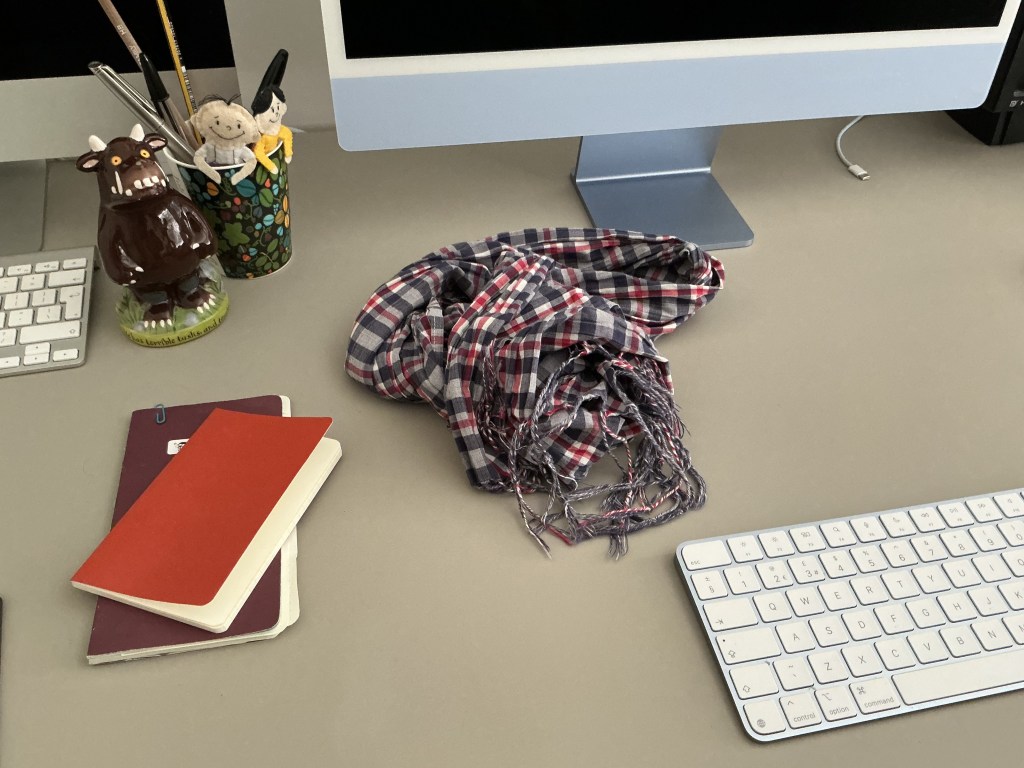
    The scarf, a little more faded, in red, blue and white, much loved — still being worn in 2026, without fear or concern

    Post Script

    To a reader unfamiliar with the intensity of Polish football subculture, a scarf is just a cozy winter accessory. But in the Upper Silesian industrial basin, it functions as a tribal passport. Fans call them barwy — the club colours—and they are treated with the gravity of a military uniform or a gang flag. To a local, there is no such thing as an “accidental” colour combination. You are either marking your territory or actively seeking confrontation. My simple cotton scarf featured a prominent blend of white, blue, and red — the exact, unmistakable barwy of Górnik Zabrze, the bitter, historical arch-rivals of Piast Gliwice, the very town I was living in.

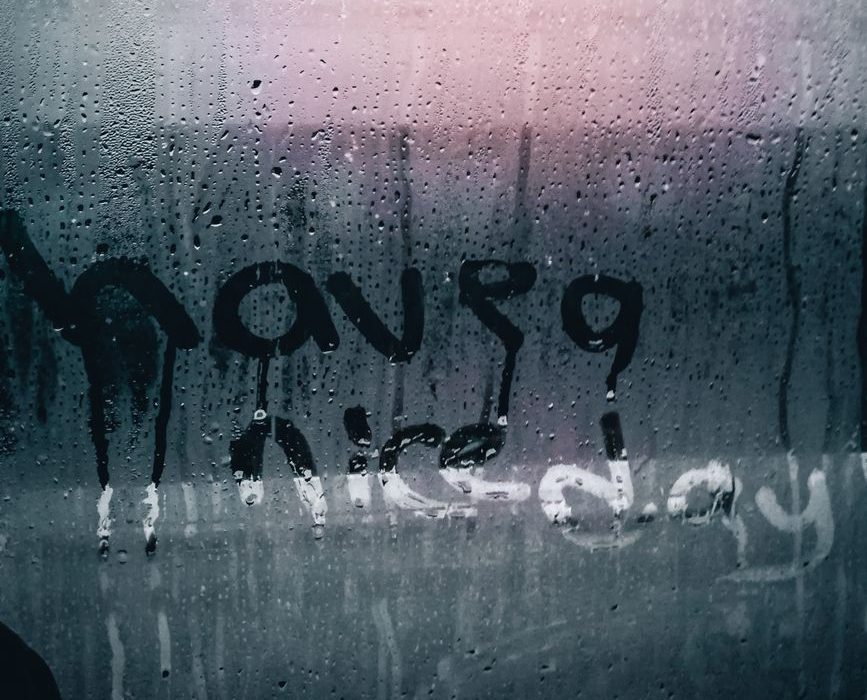
    Fediverse Reactions
  • Silesian Tracks: Youth, Buba, and a Simple Scarf
    6–9 minutes

    The Szkloki Girls

    On a cold, wet March afternoon, I sat by the window of a crowded EN57 train rattling back from Katowice.

    I had my headphones on, listening to a mix of Polish hip‑hop a friend had made for me, periodically wiping condensation from the glass to watch for the landmarks that meant I was nearly home.

    When the train rolled into Ruda Śląska, the couple opposite me stood up, slid the door open, and left, pulling it shut with the soft thud of people who had done this a thousand times.

    Seconds later, the train squealed to a stop—a long, metallic complaint shivering through the carriage. Footsteps scuffed along the corridor, a brief murmur of voices, and the door slid back open.

    In they burst.

    Four teenage girls, all elbows and energy, arriving with the kinetic presence that always precedes a crowd of adolescents.

    Skinny jeans worn pale at the knees, trainers scuffed grey, puffer jackets uneven from winters that outnumbered their birthdays.

    They carried the unmistakable scent of a wet afternoon—the damp exhale of school corridors and coats shrugged off after a long walk in the cold.

    Their clothes steamed faintly in the compartment’s heat, releasing a lived-in warmth that was immediate and utterly alive.

    The bench seats opposite me were empty, and they collapsed into them, squeezing together until our knees almost touched. Old Polish train compartments never allowed for polite distance.

    They whispered, giggled, and nudged each other.

    I wiped a patch of condensation from the window and pretended to look out—the international sign for I’m not listening, while absolutely listening.

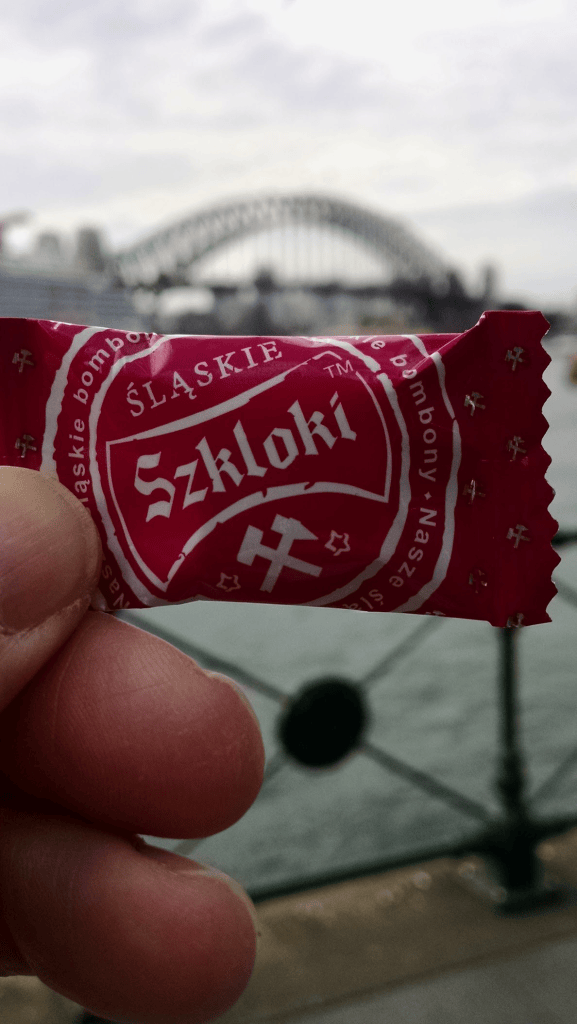
    After a few minutes under their collective gaze, I reached into my bag and pulled out a packet of Silesian Szkloki, a hard rhubarb boiled sweet.

    As I unwrapped it—a tiny sound that instantly activated their radar—one nudged another. A suppressed laugh followed. A look that said: go on, ask him.

    Just as I was about to pocket the bag, the smallest of them—a stick-thin girl with the clear authority of a leader—asked:

    “Można… jednego…?”

    Could we… have one…?

    I shrugged and offered her the bag. A slight hesitation, then she reached in. I held it out to the next, then the next.

    One of the girls shook her head. She looked uncomfortable, tired, and deeply invested in distancing herself from the exuberance of her friends. It wasn’t rudeness; she just seemed to want to dissociate entirely from the spectacle.

    A few minutes later, the leader spoke to me again. I didn’t catch the words over the music. My fellow passengers were already glaring, clearly irritated by the girls’ unembarrassed confidence.

    I removed my headphones completely and blurted out a flat, direct:

    “Co?”

    The compartment exploded.

    Shoulders, hair, and elbows flew everywhere as the girls dissolved into performative laughter.

    The tired girl didn’t flinch at my bluntness, nor did she join the mocking roar. Instead, she just shoved her friend’s shoulder, a weary gesture that said: you started this, you deal with him.

    The leader asked what I was listening to. I passed the headphones across.

    They leaned in, four heads forming a perfect teenage constellation, hair brushing my sleeve. Even the tired girl dropped her head into the circle, listening with the sudden seriousness of people auditioning for a role in my life.

    One nodded. “Fajne…” (Cool)

    They appeared totally mystified by my choice of music. More whispering followed.

    Perhaps they thought I was Polish, despite an appearance that usually marked me as an outsider. They seemed slightly unsure of themselves now.

    I slipped my headphones back on and sat back, suddenly aware of the space — of them, of the irritated passengers, of how the whole thing looked.

    Lacking the fluency to navigate the interaction further, I did the safest thing I could think of: I took out my notebook and pretended to write. I doodled loops and nonsense lines, anything to look occupied and give the moment space to settle.

    It did settle, naturally, the way teenagers sense when the fun has reached its limit. Their energy softened.

    When we pulled into Zabrze, they burst out as quickly as they’d arrived, drifting off into the cold and leaving the carriage a little emptier, a little quieter, as if the air itself was settling after a brief storm.

    I still don’t know why I remember them so clearly.

    Maybe because they were the first Polish youngsters who treated me not as a foreigner, but simply as a person.

    Perhaps because they were brave enough to ask.

    Or possibly because, for a few stops, they filled that rattling old train with something bright, chaotic, human, and gone too quickly.

    Holding a Śląskie Szkloki wrapped sweet, in blurry background is Sydney Harbour bridge

    Szkloki ‘On Tour’ Sydney, Australia


    The Mooning Trio

    A warm Saturday morning in June.

    The kind of morning where the sun settles on your face through the train window and makes everything feel softer.

    I was on my way to Katowice to meet friends for lunch, half‑daydreaming, half‑watching the landscape roll by.

    Somewhere between Gliwice and Zabrze, I saw them.

    Three girls standing on a small hill to the right of the tracks.

    Teenagers, silhouettes sharp against the sky, close enough to see clearly, but far enough to feel like part of the scenery. They stood together, perfectly still, as if waiting for something.

    I thought maybe they were going to wave.

    They didn’t exactly wave.

    In perfect unison, they turned around, pulled down their trousers, and presented their bare bottoms to our passing train.

    Just like that. No hesitation. No shame. No giggling.

    A single, choreographed act of mischief.

    And then they were gone — jumped out of sight beyond the hill. The train rolled on, and the moment vanished behind us.

    No mirage. No hallucination. Just three mischievous girls who decided that a passing train deserved a performance.

    I smiled, and shook my head. What else could I do?

    Then I leaned back, let the sun warm my face, and let the absurdity of it settle into memory.

    It was such a small thing, but it stayed with me — a reminder that life, especially in Silesia, had a habit of surprising me in ways I could never predict.

    Years later, I discovered this surreal sight wasn’t a one-off anomaly along the railway tracks — it is a deeply rooted local custom. Showing a “goła dupa” (pronounced gowa doopa, literally “bare butt”) to passing trains, tour buses, or school trips is practically a vintage rite of passage for mischievous Polish kids! If you grew up anywhere near a railway line or spent summers in rural Poland, you either did it, watched your friends do it, or had it done to your train.


    How a casual British scarf accidentally gave me a VIP pass into a football firm.

    During a visit to the UK, I’d bought myself a rather fetching cotton scarf from White Stuff. It featured fine checks of red, blue, and white. Wrapped around my neck and tucked into my beloved bleu de travail French work jacket, I found it incredibly versatile.

    It was a win‑win. It kept my neck warm, was light enough to wear in spring, and was easy to fold up and pop into a pocket if not needed.

    Little did I understand that as I proudly wore my scarf around Gliwice, it was probably drawing a lot of attention. In fact, to some people, it marked me as someone perhaps a little crazy, fearless, or just plain stupid. Or a combination of all three.

    I had been firmly warned by friends never to get drawn into any discussions involving the three main football teams of Silesia. The easy way out was always: “I don’t like football.”

    Walking around the city, it was easy to see by the street graffiti tags exactly whose turf you were on.

    By now, you might be thinking: What on earth has this got to do with trains?

    Dear reader, for your information—if you weren’t already aware—the official team colours for Górnik Zabrze, known locally as the Trójkolorowi (The Tri-colours), just happen to be red, blue, and white.

    The next story in this series will relate one of the most surreal situations I think I have found myself in.

  • Silesian Tracks: The Logic of the Compartment
    4–6 minutes

    Sauna on a Train

    One winter evening, travelling back from Katowice, I boarded the train and took up my usual position in the vestibule.

    This was before I had properly adapted, before I understood the unspoken rules of Polish commuting.

    I stood there half-lost in thought, staring through the little window in the sliding door, when I noticed something extraordinary:

    An entire row of empty seats.
    On a busy train.
    In rush hour.

    A miracle.

    I slid open the compartment door and was immediately hit by a wall of heat so intense my glasses fogged over at once. It felt less like public transport and more like entering a mobile sauna.

    Still, grateful for my apparent good fortune, I sat down with a sigh of relief.

    It took perhaps two minutes to understand why nobody else had.

    The heater beneath the seat was not merely warm. It was operating at some magnificent Soviet-era level of industrial overheating—the sort of heat designed either to survive Siberia or slowly liquefy passengers from the ankles upward.

    Naturally, I attempted to endure it using the full strength of the British stiff upper lip.

    I sat there pretending everything was perfectly normal, as though spontaneous combustion was simply part of the commuting experience.

    Five minutes later I was back on my feet, coat half-open, cheeks glowing like roasted apples.

    The other passengers watched with that wonderfully Polish expression that mixed curiosity, amusement, and a strange kind of respect.

    Not because I had succeeded.
    But because I had at least tried.


    Lexicon

    A friend had invited me to accompany her to the university campus in Katowice, where she was lecturing in mathematics.

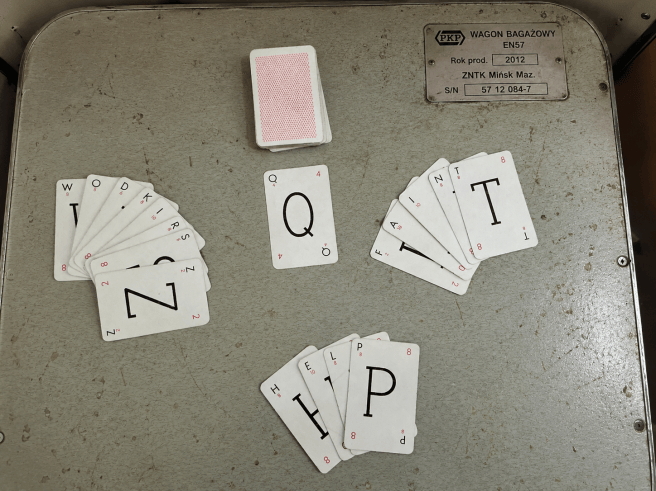
    For reasons, I can no longer recall, we were travelling in the baggage compartment of an EN57 train.

    It was a strange, isolated little space tucked away at the very end of the unit, far from the crush and noise of the main carriages — the kind of hidden room you discover once and never find again.

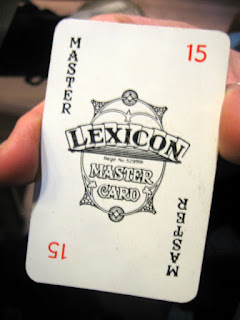
    I always carried a deck of Lexicon cards with me, and we’d settled into a game. My friend loved it. Despite English being her second or third language, she usually defeated me with alarming ease.

    We were quietly laughing over an absurd combination of letters when two young men stepped into the compartment.

    They stood opposite us, their heavy winter jackets bulging with concealed beer cans which they periodically pulled out for heavy swigs.

    My friend’s expression tightened. Her eyes darted toward the door, calculating escape routes.

    Even the conductor poked his head inside, took one look at the two men, and promptly retreated, sliding the door shut behind him.

    We were entirely on our own.

    “Maybe we should move,” she whispered. She tried to sound calm, but the tremor in her voice was obvious.

    Old instincts stirred—the kind I thought I’d left behind with my previous career. I wasn’t frightened, but I was alert in that deep, automatic way that comes from years of managing situations capable of turning ugly.

    My friend, gentle and unused to confrontation, was becoming more anxious by the second. Her fear was enough to flip a switch in me.

    Before we could stand, the smaller, stockier of the two lads stepped forward. Confident. Slightly aggressive.

    He had that distinctively short summer buzzcut — a severe, grade-two crop that blurred the line between practical heatwave styling and a harder, blokersi aesthetic.

    He pointed a finger at the cards and barked something in Polish. I had no idea what he was asking, only that he was focused on the English letters.

    My friend answered politely, explaining the word game, but his tone changed as she spoke. Sharper now. More demanding. Hovering right on the edge of a threat.

    That was enough.

    I stood up.

    I felt my friend tense beside me, terrified that my sudden movement would trigger a flash of violence. I looked directly into his eyes, reaching for the only Polish words I possessed that might hold the room steady:

    “Spoko… Spokojnie.”

    A strange stillness settled over the compartment. Outside, the train clattered relentlessly through the Silesian dark, but inside, everything went dead silent.

    The second lad hung back, watching. My mind raced through irrational physical strategies, preparing to shield her if he lunged.

    Then, suddenly, the lad laughed. Loudly.

    The immediate threat evaporated, replaced by a bizarre confusion. He spoke rapidly to my friend, who turned to me with a look of utter disbelief.

    “Gary… he wants to play with us. He says he knows English.”

    I sat back down slowly, my adrenaline still pumping.

    “Deal him in,” I said quietly. “And whatever he plays, he wins. Agreed?”

    She nodded gravely.

    So we played.

    The lad remained standing the entire time, swaying with the aggressive rhythm of the train, displaying that peculiar teenage mixture of bravado and intense curiosity. Even as the room softened, I couldn’t fully relax. A thin wire of tension remained.

    We had simply reached an unspoken truce: we weren’t leaving, and they weren’t backing down.

    He would study his cards with intense concentration, then slam them onto the small table using combinations of letters that would have made my English students weep.

    Every single time, my friend would study the nonsense jumble with absolute seriousness before announcing:

    “Yes… perfect. You win again.”

    He beamed. His friend beamed. We applauded like idiots.

    I still have no idea what any of his ‘words’ were supposed to mean, but he won every round. Triumphantly. Joyfully.

    FAINT and HELP — but the well-known English word WODKIRSZ wins the game.

    When the train finally pulled into Zabrze, the two of them burst out onto the platform, laughing and full of triumphant confidence.

    My friend and I simply looked at each other — half relieved, half amused, and both slightly shaken.

    When I had stood up to face him, my friend later admitted she thought I was in real danger. Maybe I was.

    But in that isolated baggage car, all I cared about was making sure she wasn’t.


  • 6–8 minutes

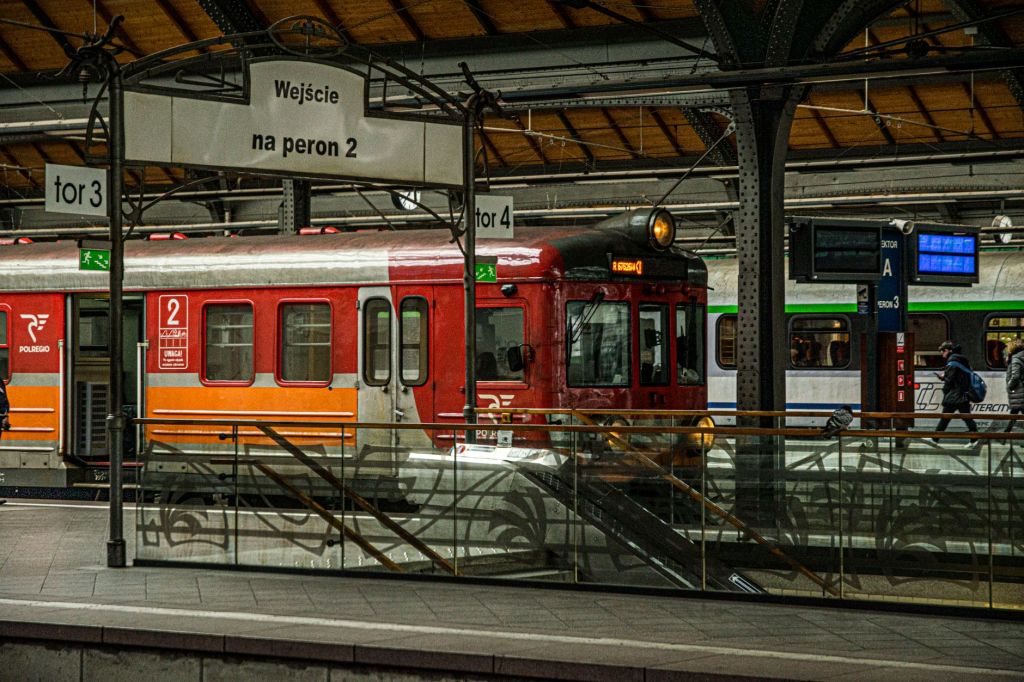
    “Uwaga, pasażerowie! Pociąg REGIO spółki Przewozy Regionalne z toru pierwszego przy peronie pierwszym odjedzie do stacji Katowice.”

    “Pociąg jedzie przez stacje: Zabrze, Ruda Śląska, Ruda Chebzie, Świętochłowice oraz Chorzów Batory.”

    “Prosimy zachować ostrożność i nie zbliżać się do krawędzi peronu. Życzymy Państwu przyjemnej podróży.”

    The heavy pneumatic doors slammed shut with a sharp air-hiss and a metallic thud. Beneath the wooden-patterned floorboards, the compressor hummed its steady, low vibration, underlying the hurried footsteps of latecomers rushing down the aisle — slightly out of breath, carrying with them a sudden draft of cold, fresh outside air as they searched for a seat. Then came the conductor’s sharp whistle from the platform, an answering blast from the driver’s cab, and the heavy electric motors groaned, pulling us out of Gliwice.

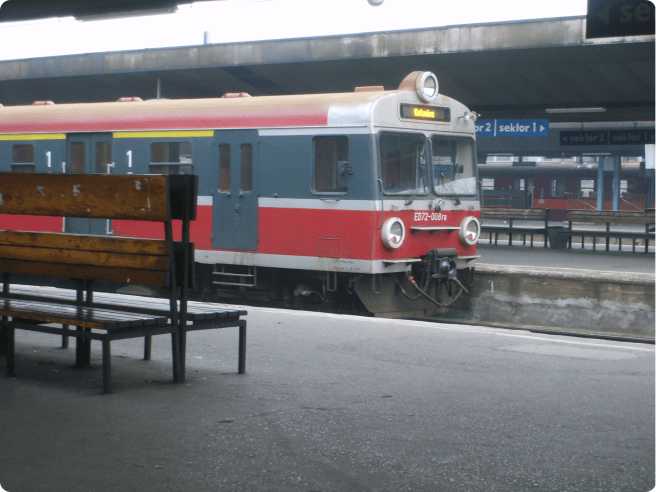
    ED72‑008ra at Gliwice, 2008
    ED72‑008ra at Gliwice, 2008 — I only learned years later that this unit belonged to one of the rarest subclasses of the ED72 series, with only twenty‑one units produced in total.

    Looking back now, it feels almost impossible that the railway world I knew in Silesia existed barely a decade ago.

    Those cracked platforms and dim lamps, the old EN57s rattling through the night — all of it has been swept away by a wave of modernisation so complete that it feels like stepping into another century.

    The shift is startling.

    Stations that once smelled of cold concrete and diesel have become bright, glass‑and‑steel spaces. Underpasses are clean and lit; the tracks themselves have been rebuilt, straightened, and modernised. The whole landscape feels as though someone has quietly replaced it while no one was looking.

    And the trains — the new Koleje Śląskie ELF units look like something from the future. Smooth, silent, aerodynamic — they glide where the old units clattered. They belong to a Poland that is confident, modern, and moving forward at speed.

    Yet when I see them now, it’s difficult to reconcile them with the world I travelled through: the world of dark platforms, confusing signage, and the quiet kindness of a conductor who bent the rules to help a lost foreigner.

    That older railway — the one I knew — has vanished.
    But it lives on in these stories.

    Maybe it was the combination of things: living abroad for the first time, a language I was still learning to hear, a culture I was slowly growing into, and a landscape that revealed itself at the speed of a train.

    In the UK, the railway is a sealed‑off artery — fenced, guarded, warning signs everywhere. But in Silesia, the tracks were simply there. Running past allotments, factories, villages, fields.

    Life happening inches from the rails. That unfenced world is part of why Silesia got under my skin. It let me watch life raw and unfiltered.

    For years, I called anything to do with railways PKP. I think everyone did. I grew to love the railways so much that I still refer to all of it — every journey, every delay, every unexpected adventure — as my PKP adventures.

    It didn’t matter that half the trains weren’t technically PKP at all. By then the name had stuck.

    PKP became a kind of affectionate shorthand for the whole glorious ecosystem: the regional trains that stopped at every lamp post, the semi‑fast ones that pretended to be fast, the genuinely fast ones that felt like a reward for good behaviour, and the stations that all insisted on introducing themselves as PKP Something‑or‑Other.

    It was easier, funnier, and somehow truer to just call the whole experience PKP — a single, sprawling, slightly chaotic universe that had adopted me whether I understood it or not.

    Only later did I learn that the trains I rode were Przewozy Regionalne; in 2011, Silesia changed again, handing its routes to Koleje Śląskie. I had arrived in the middle of a transition — not just in the railway system, but in my own life. No wonder everything felt confusing.

    The type of train I used more than any other is classified as an EN57 EMU — Electric Multiple Unit — a long, stubborn slab of metal with heavy sliding doors that shut with the finality of a vault.

    The windows opened only a few inches, just enough to let in a slice of weather: winter grit, summer heat, the smell of coal stoves from villages you barely saw.

    Inside, the carriage had its own microclimate — warm, dry, faintly oily — a lived‑in atmosphere that clung to your clothes long after you stepped off.

    To reach it, you had to pull open the heavy internal manual door that separated the draughty vestibule from the seating compartment. In the early days of learning how to travel on the Polish railways, I often found myself standing in the entryway, looking through the glass at the passengers inside, longingly wishing I had the courage to step through and join them.

    Whatever the season, whatever the crowd, the EN57 was reliably itself: well‑travelled, a little battered, stubborn in the way of something that has survived by refusing to hurry. It didn’t pretend to be modern or sleek or impressive. It simply got on with the job, carrying whoever turned up, wherever they needed to go, with a kind of gruff, unassuming loyalty.

    And somehow, it was endlessly absorbing. I was never bored on it, not once.

    Even boarding an EN57 felt distinctive because of the train’s age, design, and the physicality of the process. The high steps, opening and closing the stubborn manual internal doors, and the general hustle and bustle around the entryways — all of it formed part of the ritual, something I learned to navigate in heat, snow, rain, or the thick humidity of a packed carriage.

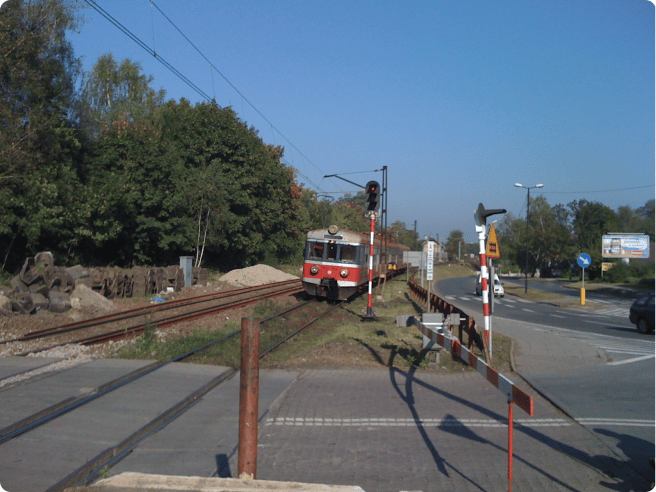
    When I took these images on a sunny, warm Sunday in October 2010, the light had that mid‑afternoon sharpness that makes even a level crossing look like it’s auditioning for a film.

    EN57 EMU Train approaching crossing and station, Łabędy 2010.
    EN57 approaching Łabèdy October 2010

    I was halfway across the road when the barrier began to drop — smooth, deliberate, as if someone had finally decided to give my day a bit of structure. I lifted my phone and took a couple of photos, quietly impressed that I was outdoors at all.

    I didn’t know where the train was going until it drifted past with a tired electric hum, the carriages dusty from a long, hot summer and rust showing along the upper panels, the wheels murmuring over the tracks as it eased itself towards the platform — or what looked enough like a platform that I didn’t think to question it.

    The same platform I’d end up leaping onto from a moving train a few weeks later, though at the time I still believed myself to be a sensible adult.

    Only when the last carriage slid into place did I spot the destination board at the rear: Gliwice.

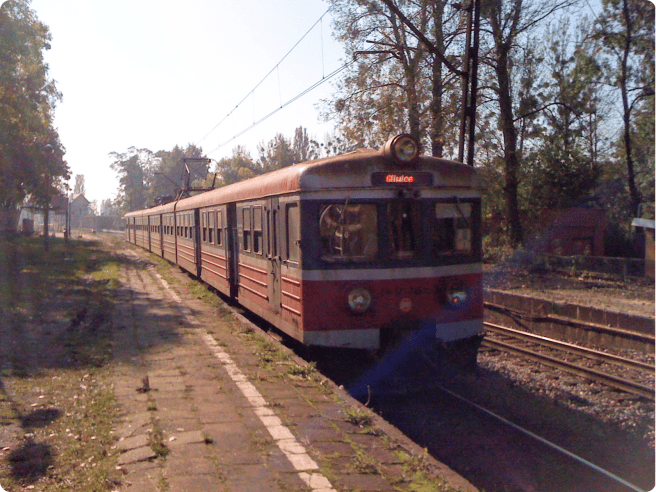
    EN57 EMU train. Standing on platform 3, Łabędy 2010.
    EN57 at Łabędy. October 2010. Note condition of platform at that time.

    Back then, still unsure how to use public transport without causing an incident, I didn’t duck under the barrier, run up and try to board. I simply stood there, letting the train — and the opportunity — glide away with the calm assurance of someone who had absolutely no idea what they were doing.

    What I hadn’t realised — and really should have — was just how far it was to walk from Łabędy to Gliwice.

    The afternoon light had that washed‑out, late‑day glow, the kind that makes distances look deceptively manageable. By the time I finally limped into Mickiewicz Park to meet a friend, my brand‑new Converse had shredded both heels with the enthusiasm of a cheese grater.

    Every step felt like a close-up of a bad decision.

    I tried to look composed — shoulders back, casual nod, nothing to see here — but there’s only so much dignity you can project when you’re quietly bleeding into your own shoes.

    My friend took one look at me, abandoned any pretence of offering, and insisted on driving me back into Łabędy, even managing to find an apteka open so I could buy plasters for what were, by then, two small crime scenes masquerading as heels.

  • Lorne Beach

    Footprints

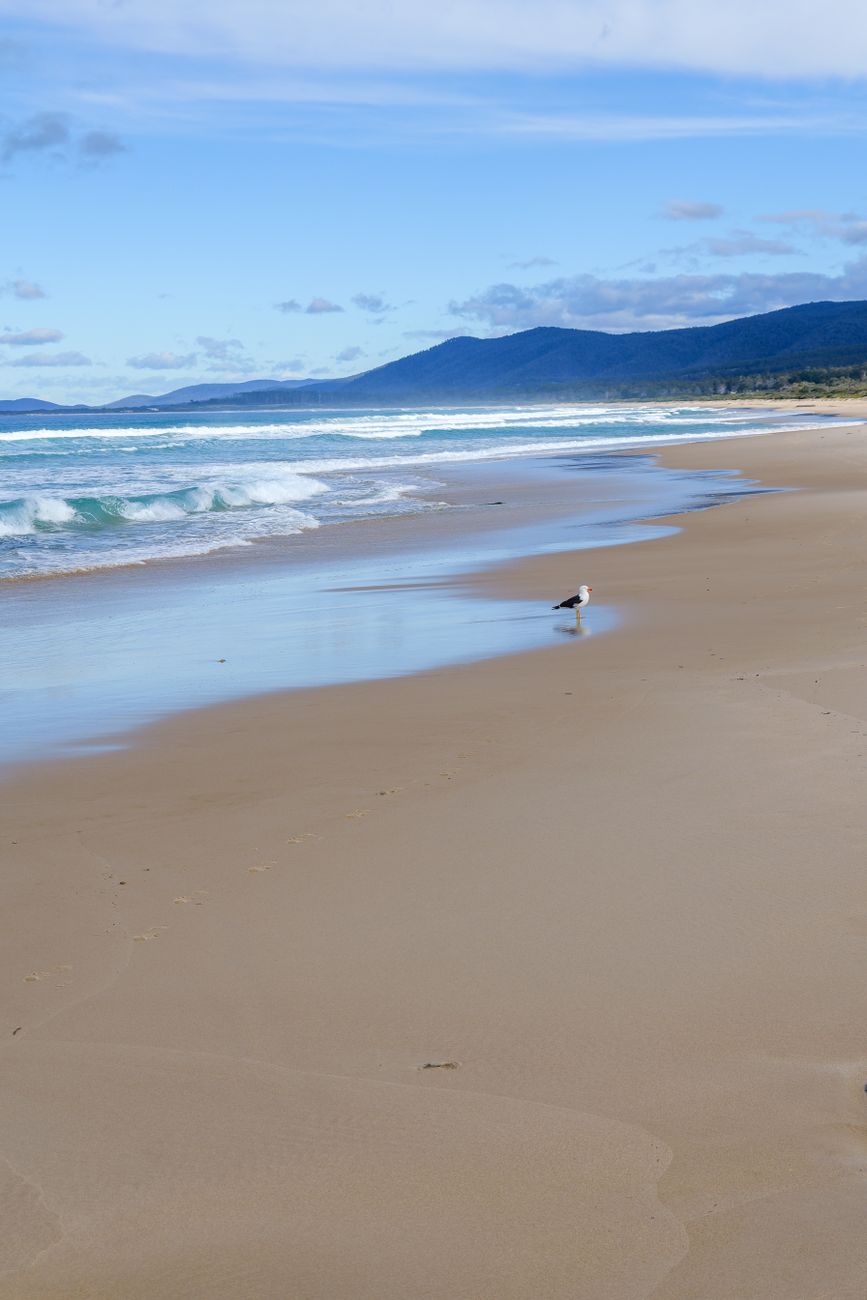
    September sunshine.

    The sound of rolling waves.

    My gaze drops to the shore: one rolled-up cuff of indigo denim, a pale bare foot poised above the smooth expanse, and a long, sharp shadow cast by the low morning sun, stretching like a dark arrow across the sand.

    The September light is soft and golden. The air is cool against my skin, carrying the clean salt tang of the sea. There are no summer crowds, only the slow rhythm of small waves and the occasional distant cry of a gull.

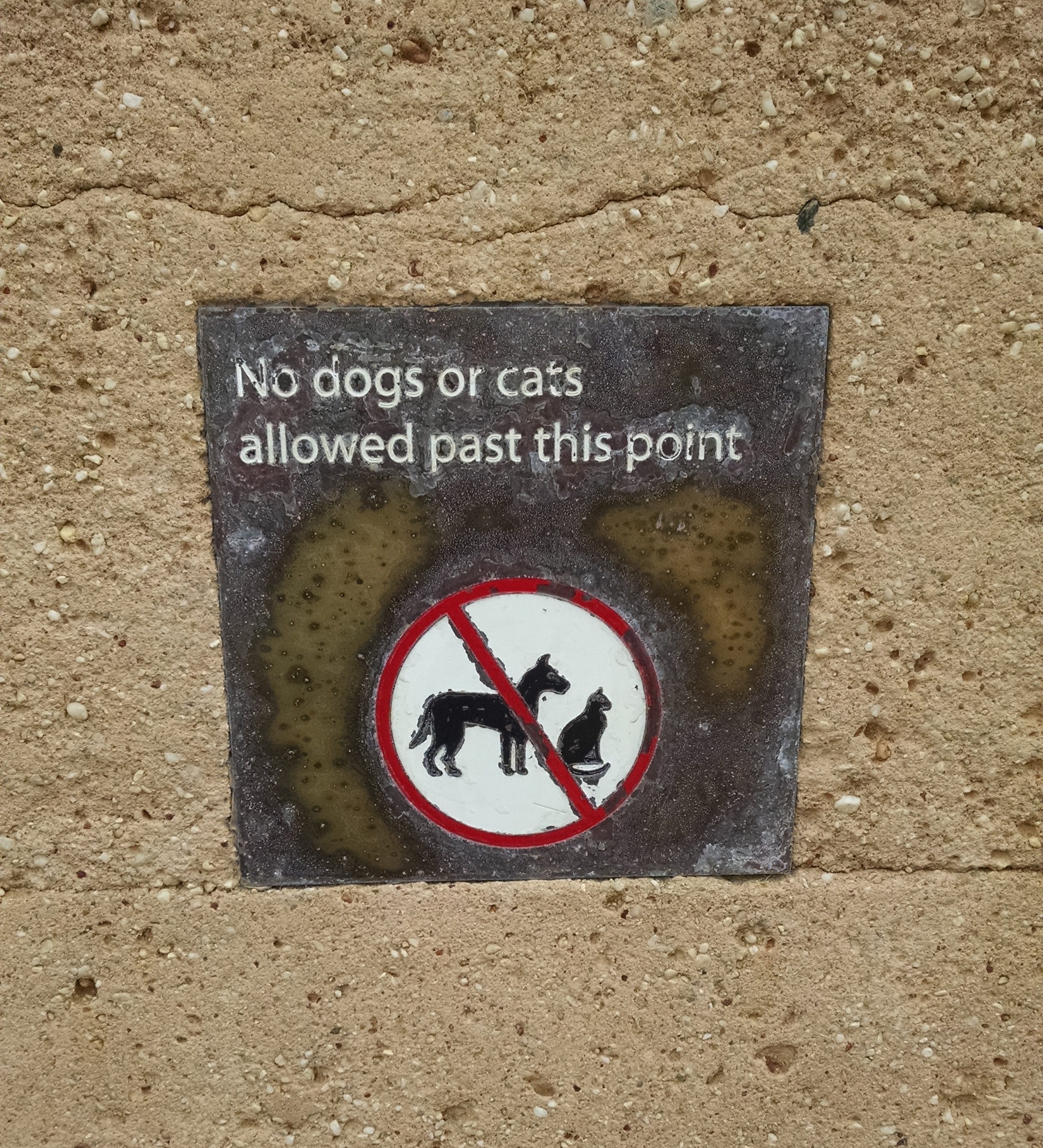
    Just behind me, the entryway sign still lingers in my mind:

    No Dogs or Cats Allowed.

    Cats?

    I chuckle to myself, shifting my weight on the damp earth.

    Who on earth would ever think to bring a cat to the beach?

    Ahead of me lies a trail of deep, wet hollows.

    My footprints.

    I begin to step backwards, aligning my feet with my own ghost, folding the past into the present, retracing the stride.

    I am a Crusoe in denim on the empty coast of Lorne, standing ten thousand miles from home.

    My thoughts drift, swinging wildly across the curve of the globe.

    Am I standing entirely upside down on the underbelly of the planet?

    Does the water in the bathroom sink truly twist into a reverse vortex here, spinning down the drain in the opposite direction from the UK?

    I make a sharp mental note to check the taps when I get back inside.

    The seasons themselves have flipped upside down.

    Here, the air smells of a fresh, arriving Australian spring. Back home, the English autumn is painting the trees in rust.

    I switch thoughts instantly.

    What is the weather like over there right now?

    Are they waking to the familiar grey drizzle of home? Or perhaps an autumnal morning, golden sunlight deepening the colours of the leaves?

    As my bare heel presses into the dark, yielding sand, the rhythmic motion of the tide pulls my memory back.

    Back to a beloved book I have read a hundred times.

    Back to the strange black-and-white television series of my childhood.

    I can almost hear that haunting, beautiful theme tune carried on the surf, those grand orchestral strings that once announced the beginning of the summer holidays.

    There is no mysterious stranger on this deserted southern beach.

    There is only a man chasing his own tracks backwards, listening to an old melody in the crash of a foreign sea, wishing, for a moment, that he was in another place, another time.

    The Adventures of Robinson Crusoe was a French-German television serial broadcast by the BBC from 1965. The dubbed series became a much-loved fixture of British children’s television during the 1960s and 1970s. Alongside other European imports such as The Flashing Blade and The White Horses, its haunting theme music became inseparable from the anticipation of the school summer holidays.

  • Curtain Up

    On paper, Bar Teatralny shared an uncanny resemblance to Bar pod Pierożkiem. It sat housed inside another massive, four-story corner kamienica, anchored on a bustling Gliwice junction — this time where the busy streets of ulica Tadeusza Kościuszki and ulica Zygmunta Starego meet. Both served hot, cheap, delicious and traditional Polish food. But step closer, and any lingering comparison instantly evaporated. Where Pierożkiem felt like a functional catering base, Teatralny was a living, breathing spectacle.

    Even before I stepped inside, I knew it. A large red sign—Bar Teatralny—not quite neon, but glowing like it wanted to be, hung low beneath the first‑floor windows, giving the place a domestic, lived‑in feel. It wasn’t a restaurant. It wasn’t a cafeteria. It was an institution. Walking into it felt like entering a small, bustling theatre where everyone, except me, already knew their lines.

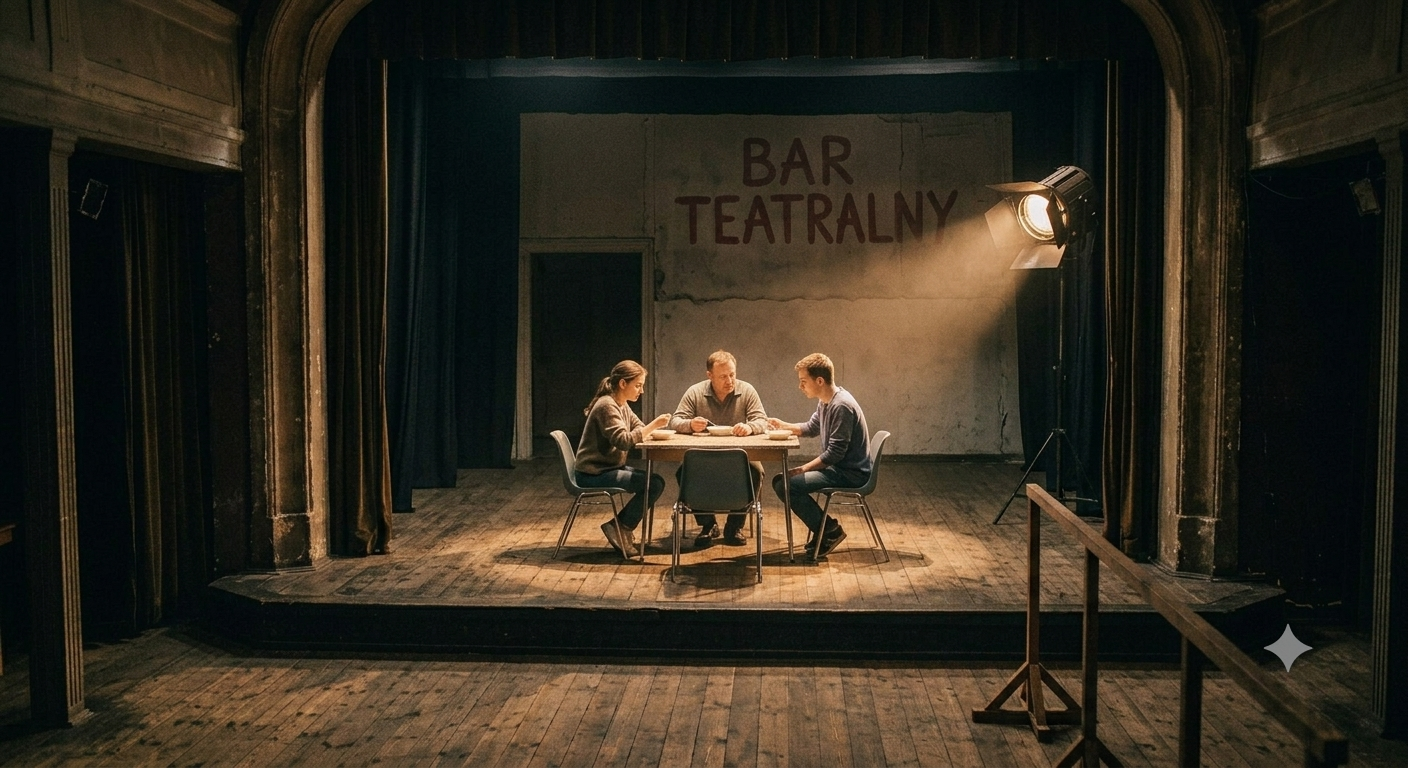
    Bar Teatralny interpretation
    The theatre of soup and memory — waiting, left of stage

    To be honest, I often looked through the window and thought, no way. Absolutely not. I wasn’t going in there. It looked crazy—chaotic, steaming, loud—like something that had escaped the 1960s and somehow survived untouched.

    My earlier milk bar experiences had been quiet, half‑empty, almost melancholy. Bar Teatralny was the opposite. It was alive in a way that felt overwhelming. I would stand outside, watching the queue shuffle forward, watching the women wearing white caps move with brisk authority behind the counter, watching the steam rise from enormous pots. And I would think: not today.

    There was something about the place. Bar Teatralny made you hesitate. Not because it was unfriendly, but because it was so intensely itself. It didn’t care whether you came in or not. It wasn’t trying to attract customers. Furthermore, it wasn’t trying to charm anyone. It simply existed—busy, loud, efficient—and you had to decide whether you were brave enough to step into its rhythm.

    I’d walked past many times, but had never crossed the threshold. Eventually, I admitted defeat. I asked a colleague and close friend, “Would you come with me?” She laughed gently, agreed, and even suggested a time she thought wouldn’t be too frantic for me. Off we went.

    The moment we opened the door, the noise and smell hit me. Steam, heat, cooking sounds, voices, trays clattering. There were a few people in the queue—even a small queue in Bar Teatralny felt like a living thing. My friend had timed our arrival perfectly, as within a few minutes, more and more people joined the queue behind us.

    On the counter stood glasses of freshly squeezed carrot juice (sok marchwiowy), glowing a deep, earthy orange under the fluorescent lights, the pulp still swirling lazily at the bottom. I adored it. Beside them sat a buttermilk drink with fruit blended into it that they made themselves—maślanka—its pale, creamy surface flecked with tiny pink and peach specks, cool and heavy in the glass, promising a soft tang that cut through the heat of the room. It was creamy, fruity, refreshing—nothing like fizzy kefir.

    We shuffled along, inch by inch. I looked up at the menu boards, their plastic letters slightly askew, and my confidence fluttered away… The sheer choice loomed over me like a wall. As we moved forward, she tried to translate a few things for me, her voice half‑lost in the clatter of trays and the banging of pots from the kitchen. I was feeling intensely self‑conscious. I sensed someone sighing behind me—a soft, impatient exhale carried on the humid air. The queue had grown noticeably longer, doubling back into the dining area, a slow‑moving river of coats, elbows, and murmured conversations. I felt uncomfortable, aware of the pressure, and aware that I didn’t want to stress my friend.

    I blurted out, “Anything but schabowy.” Noticing the first item on one of the menu boards—and one I instantly recognised—I added, “I’ll have fasolka po bretońsku—and a bread roll, please.”

    My friend ordered our food. The woman at the counter nodded, shouted the order toward the kitchen without missing a beat, and moved straight on to the next customer. We shuffled forward, waiting to collect our meal, though my mind was still catching up to the fact that I’d actually done it.

    Nobody glared at me.

    Nobody sighed—well, at least I didn’t hear anyone.

    The world continued to revolve.

    I’ll never forget the woman who took the orders. Her thick‑lensed glasses caught the light, and her soft white hat—peaked like the old cycling caps—was flipped up at the front in a gesture that felt both practical and quietly rebellious. She looked younger than the others, but she carried herself with the calm authority of someone who knew every pot, every ladle, every regular. When her steady, appraising gaze met mine, I felt exposed in a way I couldn’t quite explain, as though she saw the small battle I’d been waging with myself.

    As we ate, a jovial man appeared behind the counter—the lone man among a small army of women. “That’s Pan Tomek, the owner,” my friend said. “And the lady at the till? That’s his wife.”

    And that was my first order at Bar Teatralny—a moment so ordinary it should have slipped away long ago, yet it didn’t. It stayed with me, tucked into the kind of memory that resurfaces unexpectedly, marking the quiet point where hesitation finally gave way to a familiar confidence. I had crossed the threshold. I’d eaten. I’d made it through the steam, the queue, the noise, the choreography. And I’d done it with someone beside me who knew the place by heart, whose easy certainty made everything feel less daunting and more like a small adventure we happened to share.

    That was enough for one day.

  • “Smacznego”
    3–5 minutes

    After the first visit, I now knew what to expect. It didn’t make it any easier, but the place truly fascinated me. I don’t remember every visit to Bar Teatralny, but I remember every meal—at least in those early weeks.

    I ate the same thing each time: fasolka po bretońsku and a bread roll (bułka).

    It wasn’t a habit so much as a refuge. It was the first item on the menu board, the one thing I recognised. The one thing I knew I wouldn’t stumble over, mispronounce, or misunderstand. I’d eaten it on one of my first visits to Bytom, long before I ever set foot in Bar Teatralny. I’d even recently bought a jar of it, I rather liked it; I liked bułki even more. And in those early weeks, liking something was enough.

    I didn’t want to look foolish. I didn’t want to slow the queue to a polite, patient crawl. I didn’t want to ask for help. So I clung to the safe choice, the familiar one, the dish that felt like a small, warm victory.

    It helped that it was worlds better than any shop‑bought jar of fasolka po bretońsku I’d ever tried—richer, deeper, generous in a way that felt almost indulgent. I’d never been fond of butter beans, those pale, oversized things I vaguely remembered from my grandmother’s table. But fasolka po bretońsku used Jaś beans: large, creamy, soft, nothing like the tinny, uniform beans swimming in British‑style baked bean sauce.

    And I had a peculiar little ritual of my own. I’d gently mash a few of the beans against the side of the bowl, just enough to break them open so they melted into the stew. They thickened it, deepened it, soaked up more of that rich, smoky sauce until each spoonful felt slower, heavier, more deliberate — something shaped quietly by my own hand.

    In those early days, when everything else felt foreign and fragile, that small act of coaxing the stew into comfort felt like a way of steadying myself too.

    I’d never understood why the women behind the counter weighed everything with such brisk precision — kotlet, fasolka, stuffed peppers and the like. It always felt faintly extreme to me, as if the meal were being audited. Only years later did I realise the logic behind the menu board: waga and cena — weight and price. You paid for exactly what you took. It was simple, honest, and perfectly suited to a place that fed half the city.

    And one other detail: you always cleared your own plate. Everyone did. When you finished, you picked up your tray, your bowl, your cutlery, and carried it to the pot-wash hatch or the metal counter where used crockery was stacked. No fuss, no ceremony. It was part of the choreography, the etiquette, the unspoken agreement that made Bar Teatralny work.

    I learned that quickly. Clearing your tray was a small act of respect, a way of saying: I’m part of this. I know the rules.

    In Poland, saying “Dzień dobry” when you walked into a room wasn’t really optional — it was just what you did. Bakeries, tiny shops, milk bars, anywhere people were working hard and expected a bit of courtesy. Not friendliness, not small talk — just a simple acknowledgement.

    I actually grew to love those little greetings and goodbyes. You’d step inside, say “Dzień dobry,” and the room absorbed you. You weren’t announcing yourself or trying to start a conversation; you were just joining the space. And when you left, you’d toss out a “Do widzenia,” even if nobody looked up or the queue behind you kept inching forward. It was part of the rhythm — the etiquette, the way the room breathed.

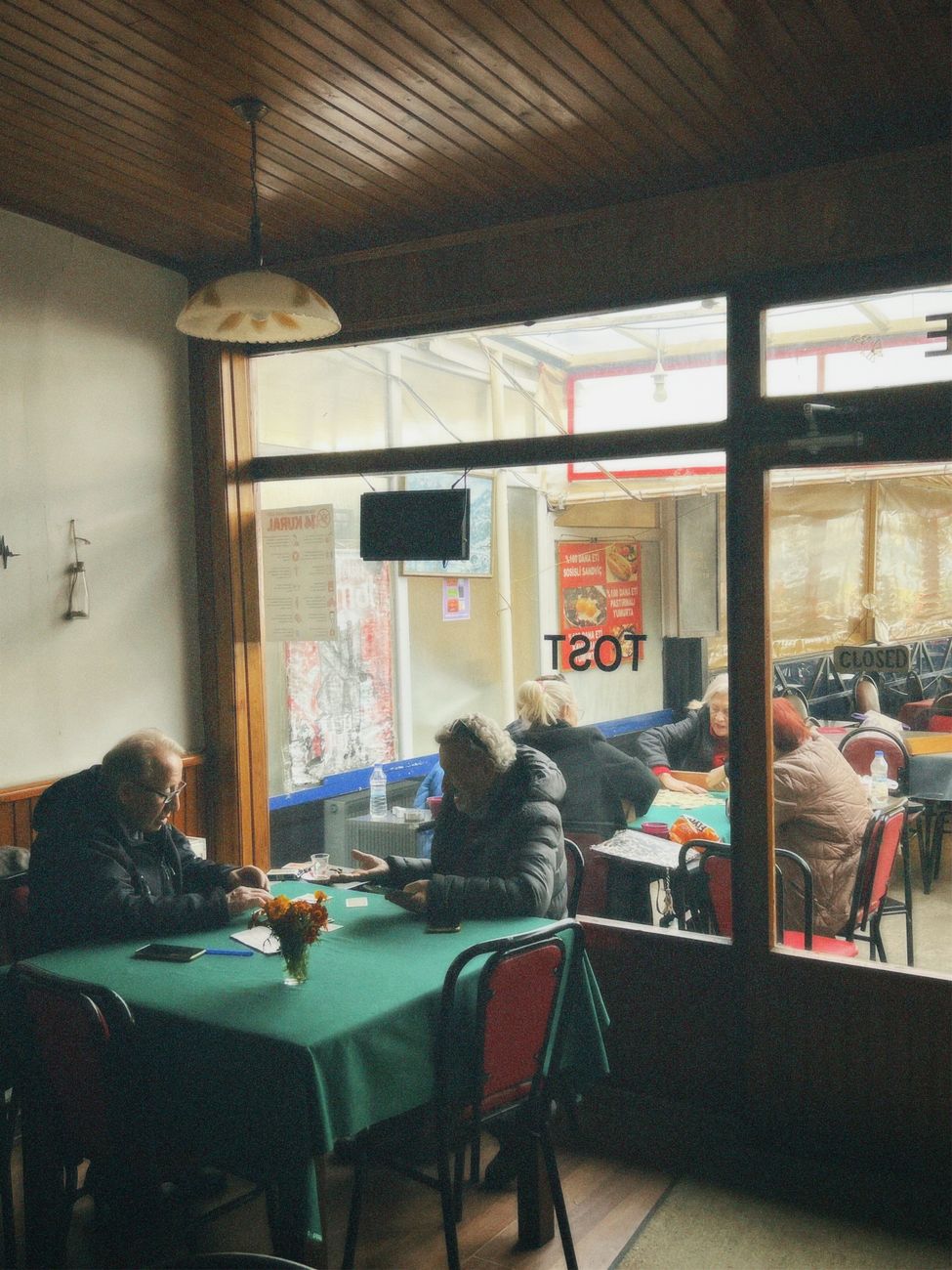
    The strangest thing was how few tables there were for somewhere so popular. You could sit down, but you couldn’t expect to keep the space. Strangers would sit down at an empty chair, often one after another, offered a quick “Smacznego,” ate quickly, and left. It was not uncommon that three strangers would join the table in succession. It was like sharing a bench at a railway station—temporary, polite, utterly impersonal.

    Bar Teatralny dining area
    A table of strangers, one free seat, and me — still learning how to sit with discomfort, one bowl of fasolka po bretońsku at a time.

    It took two or three more visits before I began to feel at ease with the table-sharing. Eventually, I surprised myself by joining strangers in the same manner—the polite “Smacznego”, the quiet “Do widzenia”, the small acknowledgement of the unspoken rules.

    And somehow, that was part of its charm. You weren’t there to linger. You were there to take part in a ritual that had existed long before you arrived and would continue long after you left.

  • The Menu in Her hands
    6–8 minutes

    I arranged to meet a friend for obiad. I suggested Bar Teatralny — her home was a mere five minutes away, and I’d already been to Teatralny a few times to eat. I thought: convenient, affordable, and I was beginning to enjoy visiting there despite having settled into a pattern without quite meaning to: fasolka po bretońsku and a bread roll, every single visit. It was safe. It was familiar. It was the first item on the menu board. And I must have mentioned this to her as we queued.

    It was winter — properly winter — the kind that makes the air outside feel sharp and the air inside feel heavy with steam and humidity. The queue even snaked back into the dining area. This wasn’t the kind of weather you’d want to queue in outdoors, and Bar Teatralny was packed in that particular way it had: loud, humid, busy, alive.

    I wanted to show her I could order something. I wanted to prove I wasn’t helpless. So I went for my default meal again.

    We managed to find two seats that had just been vacated. As we began to eat, she asked, almost casually, what other Polish food I liked.

    I told the truth.

    “Oh… the first thing I see on the menu. Fasolka po bretońsku — and a bread roll. I really like schabowy, but I get it from the other milk bar near my apartment. A change would be nice though.”

    She didn’t laugh.
    She didn’t tease.
    She didn’t make me feel small.

    But something in her expression shifted — a tiny, thoughtful pause.

    A seed planted.

    Whatever seed had been planted the day we met for obiad grew into yet another kindness my friends offered me in Poland.

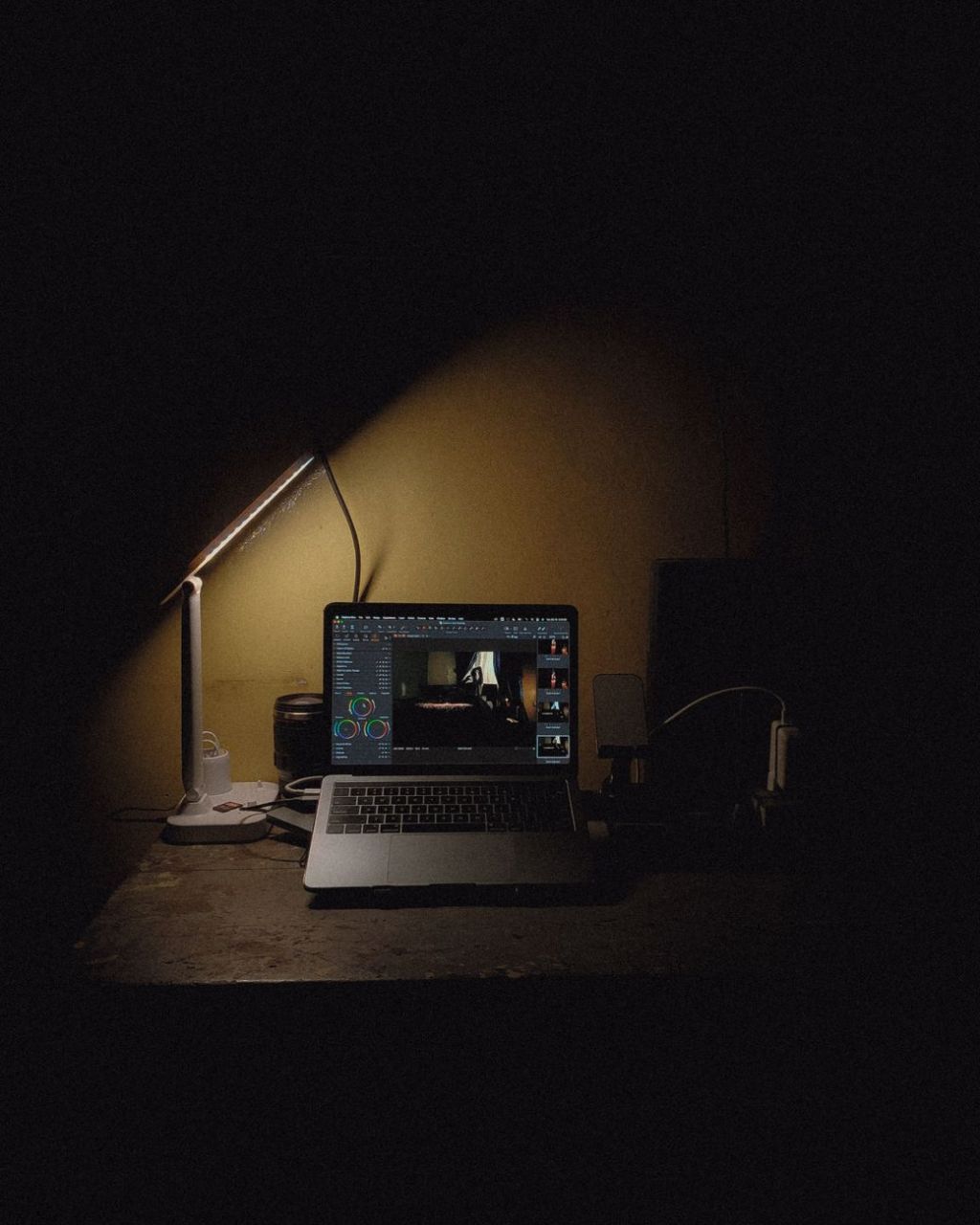
    A day or two later, I was still up, working under the small desk lamp, long past the hour when I wanted to be awake. Living on the top floor of my block meant the nights were utterly still — no footsteps above, no voices drifting through walls, just the hush of the building settling around me. My inbox was usually just as quiet. I hardly received mail then, not even spam.

    So when the first ping broke the silence, I froze. It was such a small sound, but in that deep quiet it felt almost startling, like someone tapping lightly on a door I hadn’t expected anyone to find. I paused, listening, curiosity rising through the tiredness.

    The second ping followed a moment later — not a surprise this time, but something else entirely. If the first had been an interruption, the second felt deliberate, almost like an invitation. A message meant for me. A reason to turn toward the screen instead of the grammar book open in front of me. I should have ignored it, should have stayed disciplined, but I literally stopped in my tracks. Someone was reaching out.

    My friend hadn’t explained the menu to me in person. She hadn’t sat beside me and gone through each dish. Instead, very late one night while I was still working, those two pings carried her care across the quiet.

    The first email had a subject heading, Bar Teatralny Menu part 1, and contained a single word — “smacznego” — with a smile. I opened the second with a growing sense of astonishment. She had taken photographs of each side of the Bar Teatralny menu board, then embedded them into Word documents and translated every single item: every soup, every cutlet, every dumpling, every offal stew. It must have taken hours.

    I knew how much academic pressure she was under, and I was stunned she’d spent her evening doing this for me. She signed off with a small, tired flourish of her own voice:

    “I’m happy I could do this. 🙂
    And now I can go to bed :-)”

    I opened the attachments and felt something warm and quiet settle inside me. It wasn’t just a menu translation — it was care. It was her noticing my hesitation in Bar Teatralny: how I paused at the counter, how the menu rose up like a wall of unfamiliar words, how I retreated to the same safe meal each time — and choosing to help.

    I still have the photographs she took in Bar Teatralny: two quick shots of the menu board, slightly blurred, slightly tilted, taken in the heat, steam, and noise of the place. They’re treasures to me. I’ve tidied her documents for myself and made a clean version I can use, but I keep her originals too — the ones with her comments, her humour, her small admission of not knowing how to describe some foods, and her explanations of Polish food culture. I won’t include every translation, only a handful of my favourites — the ones that still make me smile even now.

    Bar Teatralny Menu 1

    Bar Teatralny Menu Board Part 1

    Fasolka po bretońsku – “I guess I don’t have to translate this.”

    I laughed when I read this — so gentle, so funny, so typical of my friend.

    Flaczki – “A traditional Polish meat stew. It can be an acquired taste, but is one of the many soups that are an important part of the Polish diet. Its name is derived from its main ingredient: thin, cleaned strips of beef tripe.”

    Flaczki was already on my personal list of foods to avoid — a name firmly imprinted on my memory’s “do not eat — ever” list.

    Bogracz – “Hungarian goulash soup (‘to be honest I’ve never eaten it’).”

    I had eaten it, from a jar I simply reheated, and actually liked it.

    I was especially grateful for my friend translating the list of gulasz (goulash) dishes. Not being a fan of offal, I wouldn’t attempt to sample any of them. I have no wish to cause offence; they are simply dishes I have no experience eating, nor any desire to try.

    • Gulasz z żołądków drobiowych – Chicken gizzard goulash
    • Gulasz z serc – Heart goulash
    • Gulasz z ozorków – Tongue goulash
    • Gulasz z nerek – Kidney goulash
    • Gulasz z płuc – Lung stew

    I realised I had almost ordered lung stew until friends gently suggested I wouldn’t enjoy it. It became another food imprinted on a growing “do not eat — ever” list.

    And finally, describing a food item handwritten on that scrap of paper above the door to the kitchen — papryka faszerowana – my friend wrote “On the white sheet of paper: stuffed pepper (no idea what they stuff it with ;-))”

    Bar Teatralny Menu 2

    Bar Teatralny Menu Board Part 2

    I especially enjoyed these comments:

    Mizeria – “I remember you called it ‘white cucumber sauce’.”

    Tacka / Kubek – “This last thing is not a meal… it’s a container for food if you want to take it away.”

    I won’t name my friend. She has her own life, her own struggles, and I don’t want to disturb her peace. But I will say this: those documents are one of the kindest things anyone ever did for me in Poland. They helped me understand a place I loved but lacked the confidence to order from — a place whose menu felt like a foreign language. They helped me belong.

    I don’t recall how often we ate there; Bar Teatralny was five minutes from her flat, practically part of her neighbourhood. I do recall the first meal we shared there thanks to her menu translation: Placki ziemniaczane. More specifically, Placek po węgiersku. A proper dish. A dish with weight. A dish that arrived on the plate like a challenge. A crisp, golden potato pancake folded over a rich, paprika‑heavy goulash, steam rising from the edges, the smell of peppers, meat, and fried potato drifting up as if to say: you’ve graduated now.

    I wouldn’t have dared order it without her translations. I had no idea what placki was. But she sat across from me, five minutes from home, perfectly at ease amid the kitchen clatter, the scrape of chairs, and the summer traffic drifting through the open windows of Bar Teatralny. I realised that this place — this chaotic, intimidating, wonderful place — was part of her everyday life.

    And now, slowly, it was becoming part of mine.

    Further Reading below.

    The Story begins here:


  • Fog, a Mercedes and Bulldogs: A True Polish Odyssey

    “Names and some identifying characteristics have been changed to protect the privacy of individuals mentioned in this post.”


    There are travel days that go smoothly, and then there are travel days that feel like the universe is improvising wildly just to see what you’ll do.

    This was the latter.

    It began with an early-morning flight from the UK, scheduled to land in Kraków mid-morning. I had teaching arranged for the afternoon, and a friend — kind beyond measure — had offered to drive from Gliwice to collect me. A simple plan. A normal one. A plan that would not survive contact with Polish weather.

    The descent into Kraków felt familiar… until it didn’t.

    Engines surged. The aircraft climbed.

    A go-around.
    Then another.

    Then the Captain’s voice: “Due to fog, we cannot land. We will divert to Katowice.”

    Katowice? Closer to home than Kraków, and for a moment I thought the day might still make sense. But I knew my friend would already be waiting at Kraków airport, ready to greet me, and when Katowice turned out to be impossible too, the whole situation tipped from frustrating into surreal.

    Katowice couldn’t take us either — same conditions as Kraków.
    Fog again.

    We flew to Warsaw.

    As we approached Warsaw, I pressed my forehead to the cabin window and spotted the Palace of Culture and Science below — the first time I’d ever seen it, and of course it happened on a day when I wasn’t supposed to be anywhere near Warsaw. Was this really happening?

    For over two hours we waited on the tarmac for the airline to confirm whether the fog over Kraków had lifted. It was also the one time we were permitted to use our phones. I called my friend; she was already in arrivals.

    “I’m in Warsaw,” I said. “I think we’re going to wait here until the fog clears at Kraków. I’m sorry.”

    She’d been there a while and was concerned why our flight had not landed. I found out later that the authorities had provided almost nothing by way of information to the people waiting — families, drivers, and, as I later discovered, others expecting judges from Liverpool — and that my friend had quietly taken it upon herself to explain the situation to those around her. She also said she would wait. That was entirely her.

    With nothing else to do, we spoke among ourselves and accepted a small plastic cup of water offered to us by the cabin crew. I’d been talking to the passengers beside me — a young couple who’d planned a two-night visit to Kraków. In fact, it turned out that most of the passengers around me were on short, city-break holidays. I told them about Gliwice, the local area, about the language school, about what it was like to actually live and work there rather than visit on holiday or just pass through. The woman in the row ahead had been half-listening. “Would you be able to help the elderly couple a few seats up?” She pointed to who I discovered to be Liverpudlians, Keith and Maggie.

    Keith and Maggie were a delightful couple, born and bred in Liverpool. They explained to me that they were experienced dog breeders, and due to their specialist knowledge, they were often called upon to act as judges of specific dog breeds. World-renowned experts in English Bulldogs, French Bulldogs, Boston Terriers, and Boxers. They were due to be met at Kraków and then driven to Katowice where they had been invited to be judges in a very important dog show scheduled to take place in the city. Keith described the venue as “the spaceship place”; I knew instantly it had to be Spodek. I mentioned I knew Katowice quite well, and lived not too far away from the city. They had a hand written contact number on a folded scrap of paper and a mobile phone, a heroic little Nokia‑era brick that looked ready to outlive all of us, but it absolutely refused to acknowledge the existence of any Polish network. Could I help them?

    I called the number using my own mobile, answered by a rather worried and stressed-out Polish lady. She demanded to know who I was. Where were the judges? They were extremely important. I tried to explain our situation as best as I could and that we would hopefully return to Kraków as soon as the weather allowed us to do so. The conversation made it perfectly clear to me:

    These weren’t just judges.

    They were the judges.

    I formed the opinion Keith and Maggie were clearly the equivalent of rock stars in the dog world — real dog-show royalty and essential to the success of the show. They simply had to be present. I explained our situation as best as I could, ended the call and reassured Keith and Maggie it would be OK; their driver would be waiting at Kraków.

    Not too long afterwards, our captain told us that he had a go-ahead from Kraków; we could try again. I called my friend just before we taxied.

    “See you soon, fingers and toes are crossed!”

    We couldn’t land.

    Fog still.

    The aircraft returned to Warsaw.

    The airline promised buses to Kraków.

    Arrivals, Warsaw Chopin Airport.

    No obvious airline staff waiting to direct passengers to any bus.

    I helped Keith and Maggie to a table in one of the terminal cafés, bought them tea, and sat down with them while I tried to work out what was actually happening.

    My fellow passengers wandered.
    Some passengers gathered.
    Many passengers fumed.

    I called their contact again. I was worried my battery was draining faster than I would have liked. I was never quite sure of her role — she was speaking quickly and urgently, and the connection was just good enough to catch the shape of the conversation, if not every word. Keith and Maggie watched me with the patient trust of people who have decided, without much evidence, that I know what I’m doing.

    I understood enough. They were not to get on the bus. A car and driver were being arranged for them. For some strange reason, I began to doubt I’d understood the conversation at all.

    I told Keith and Maggie not to worry.

    Desperate, I called my friend — the saint of this story — and asked her to call the frantic dog-show organiser on my behalf. She agreed. She always did.

    My friend called back, her tone having changed.

    “Gary… you didn’t tell me how important they are. The organisers are desperate. They’re sending a private driver to Warsaw to collect them. Nothing must happen to them.”

    Nothing must happen to them.

    No pressure.

    I turned off my phone to preserve what little battery remained and waited.

    I noticed fellow passengers were still waiting for a bus that hadn’t appeared. Some continued to wander, and many were still fuming. Some came to ask me how long the journey to Kraków would take, because somewhere along the way I had become the person who apparently knew things. I had accidentally become “the English-Polish-speaking guy who lives in Poland.” I told them the truth as gently as I could. In 2011 it was a long ride. They did not look pleased.

    Keith and Maggie drank their tea.

    My own phone battery was now on life support. I decided that I wasn’t going to get any bus to Kraków; it would be madness, I would probably arrive there around midnight, or later — then I would have to get to Gliwice. Decision time: I would make my own way home, by rail. I’d never been to Warsaw, and had no idea where the railway station was located. I would worry about that later; I had to make sure Keith and Maggie would be OK. I simply could not leave them alone.

    For the next hour or so I drifted. That’s the only word for it. Out through the doors to check the drop-off area, eyeing every dark car that slowed, then back inside to Keith and Maggie, then out again. I checked my voicemail in bursts and switched the phone off immediately after to save what little battery remained. The terminal had its own exhausted rhythm by now — passengers still waiting, still hoping, the promised bus nowhere.

    And then he was just there.

    He hadn’t been there before — I’d have noticed.

    He stood in the arrivals area with the stillness of someone who has come with a clear intention, and is simply waiting for the purpose to present itself. No name board. No sign. He checked his watch, then his phone, then scanned the hall with the calm, systematic attention of a man entirely unbothered by airports or delays or much at all.

    The coat was what you noticed first. Black leather, three-quarter-length. Black trousers, white shirt, black tie. Broad across the shoulders, as if the coat had been chosen carefully.

    I want to be honest: something about him unsettled me slightly. I’m aware of the stereotype I was reaching for, and I’m not proud of the instinct — but it was there. He looked equally capable of chauffeuring a diplomat or running a small and efficient operation that didn’t require much paperwork.

    I had nothing else to lose. I approached him and asked, in my best Polish, whether he was here to collect Keith and Maggie.

    He looked at me for a moment.

    “Yes,” he said. “My car is outside.”

    Of course it was.

    I ran.

    Back through the terminal to the café where I’d left them, already composing how I’d explain it — the car, the driver, how everything had somehow come together —

    They were gone.

    The table was empty. Their luggage was gone. No Keith. No Maggie. Just two empty cups and the faint possibility that I had failed two elderly dog show legends from Liverpool after everything.

    My heart dropped through the floor.

    Then someone — a café worker, a stranger sitting in the café, I’m not entirely sure — pointed.

    There they were. Sitting on a bench a little way off, side by side, luggage at their feet, with the complete and absolute serenity of people who had never been remotely worried about anything.

    I could have wept with relief.

    I gathered them — gently, quickly — downstairs and out through the doors, where the luxury Mercedes was waiting exactly where he’d said it would be. Long, dark, immaculate. The driver was already there, exchanging a word with an airport official with the ease of someone who does this regularly and finds it entirely unremarkable.

    Keith and Maggie climbed in without hesitation. Of course they did.

    I loaded the luggage into the boot, closed it, with that solid, expensive sound that good German cars make.

    And that was that. Job done. I’d done what I said I’d do. I was already turning it over in my mind — the station, Warsaw, a city I’d never been to, no idea where to get a train or whether one was even still running at this hour that would get me anywhere near Gliwice.

    Time to say goodbye to Keith and Maggie — “Lovely to meet you both. Good luck at the show. Safe journey.”

    Keith looked at me.

    “Ey, not so quick lad.”

    He said it with the full authority of a man who has judged a great many things in his life and has reached a verdict.

    “You’ve helped us out no end. You said you lived near this Kato place, yes?”

    “Yes…”

    Maggie didn’t even look up from settling herself in, she waved a hand in my direction — the royal summons.

    “Come on love, front seat. You’re coming with us.”

    It wasn’t really an invitation. It was a Scouse fait accompli.

    I looked at the driver standing ready to close the door, pointed to the car, myself and the front seat. He nodded, I got in the front, as simple as that.

    So there I was, in the front seat of a luxury Mercedes. The driver didn’t hang about.

    We left Warsaw’s lights behind and hit the open road — not a motorway, which surprised me. I’d assumed, somehow, that a car sent urgently across the country for two internationally renowned dog-show judges would take the fast route. On reflection, I don’t think there was actually any motorway connection in 2011.

    Instead we moved through the dark on Polish A-roads, the car covering ground at a pace I chose not to think about too carefully, the Mercedes suspension doing exactly what it was designed to, smoothing out whatever the road threw at it.

    I called my friend: “You’ll never guess what has just happened, I’m on my way to Kato with Keith and Maggie!” My friend simply said, “Tell me which hotel. I’ll come get you. Doesn’t matter if it’s 10 or 11 or whatever time, just give me a call when you’re nearer Kato.”

    Keith and Maggie were asleep within twenty minutes. Deeply, completely, peacefully asleep, like people with no outstanding concerns left in the world.

    I did not sleep.

    I’m not sure I could have, but I also felt — irrationally, given that my role had technically ended the moment that boot closed — that someone ought to be awake. Keeping watch. Witnessing.

    The driver certainly didn’t need me. He stared at the road ahead with the same calm purposefulness he’d had in the terminal, entirely uninterested in conversation, entirely in control.

    So I watched Poland go by in the dark. Road signs. Tree lines. The occasional light from a village set back from the road. Silesia getting closer, while Keith and Maggie slept peacefully in the back like retired monarchs.

    As we began to pick up more signs for Katowice, estimating we were about forty or fifty minutes away, I called my friend as she had asked. With her usual patience and care, she said she would set off immediately.

    Arriving at the hotel, I could see my friend was already there, standing outside, and when she saw the Mercedes — long, dark, pulling up with quiet authority — her eyes went wide. She had spent the entire day on the end of a phone, calling organisers, relaying messages, explaining a stranger’s predicament to strangers in an airport arrivals hall, driving out at a very late hour without complaint. And now here was the evidence of all of it, finally, in one gleaming, improbable package.

    She looked at me climbing out of the front seat.
    I shrugged, smiled and said thank you.
    There are moments that don’t need explaining to the right person.

    Keith and Maggie emerged from the back with the unhurried dignity of people arriving exactly as planned. They thanked the driver. They thanked me. And then Keith turned to us both and said that if we had nothing better to do tomorrow, we should come to the show as their guests.

    We went.

    Spodek from the outside is already something — that low flying saucer of a building sitting in the middle of Katowice like a piece of the future that arrived early and decided to stay. Inside it was warm and loud and smelled of dogs, the smell not unpleasant when accompanied by the particular energy of people who have devoted serious portions of their lives to something they love completely.

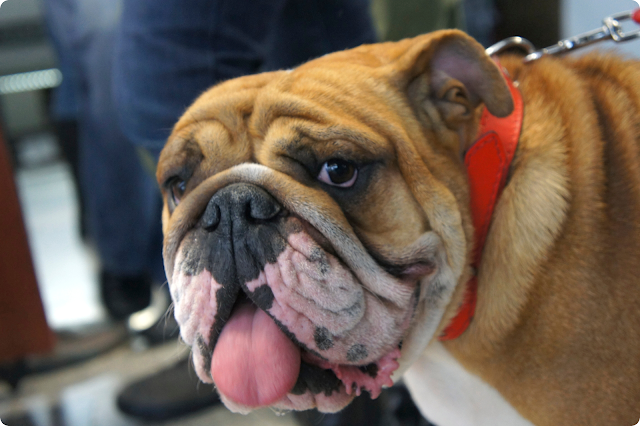
    The Bulldog star of the show
    The Bulldog — star of the show.

    Keith and Maggie were transformed. The confusion of the terminal was gone. Here, in the ring, they moved with quiet confidence — recognised, respected, completely in their element. When they saw us again, their joy was genuine, but they were already deep in their work. We didn’t join them for lunch; we simply watched them, and I took photographs.

    It was, in the end, a very good day — the kind that only makes sense once you’re already inside it.

    A day that began with fog and frustration ended with kindness, absurdity, unexpected adventure, and two Scouse dog-show legends who treated me like family.

    Travel chaos rarely rewards you. But that night, after fog and frustration and a journey I could never have planned, I stepped out of a Mercedes in Katowice and saw my friend waiting — the one person who had steadied the whole day from afar.
    And in the end, that was the real story: not the fog, not the panic, not even the dog‑show royalty asleep in the back.
    It was kindness.
    It was friendship.
    And it was the strange, improbable adventure that happens only when the right people appear at exactly the right moment.

    Podsumowanie przygody

    Mój lot do Krakowa zamienił się w komedię. Samolot próbował lądować, nie udało się. Spróbowaliśmy jeszcze raz — też nie. Kraków w mgle. Katowice w mgle. W końcu wylądowaliśmy w Warszawie, gdzie nikt nie wiedział, co się dzieje, łącznie z liniami lotniczymi.

    W samolocie poznałem Keitha i Maggie z Liverpoolu — bardzo mili, bardzo spokojni i, jak się okazało, supergwiazdy świata psów. Ich telefon nie działał, organizatorzy byli w panice, a ja nagle zostałem ich tłumaczem, przewodnikiem i człowiekiem od wszystkiego.

    Autobus do Krakowa? Nie ma. Informacji? Nie ma. Mgła? Jest.

    Organizatorzy w końcu wysłali po nich prywatnego kierowcę aż z Katowic. Kiedy pojawił się w terminalu — wysoki, w czarnym skórzanym płaszczu — wyglądał jak ktoś, kto potrafi rozwiązać każdy problem… albo stworzyć nowy.

    Po wielu przygodach znalazłem Keitha i Maggie, wsadziłem ich do wielkiego Mercedesa, a oni powiedzieli:

    „No chodź, jedziesz z nami.”

    I tak spędziłem noc w luksusowej limuzynie, jadąc z Warszawy do Katowic, podczas gdy Keith i Maggie spali jak królowie, a kierowca jechał tak szybko, jakby goniła nas mgła z Krakowa.

    Na miejscu czekała już moja przyjaciółka, która przez cały dzień ratowała sytuację przez telefon.

    Następnego dnia byliśmy zaproszeni jako goście specjalni na wystawę psów w Spodku.

    Tak wygląda dzień, który zaczyna się katastrofą, a kończy przygodą, nowymi znajomościami i wieloma psami.

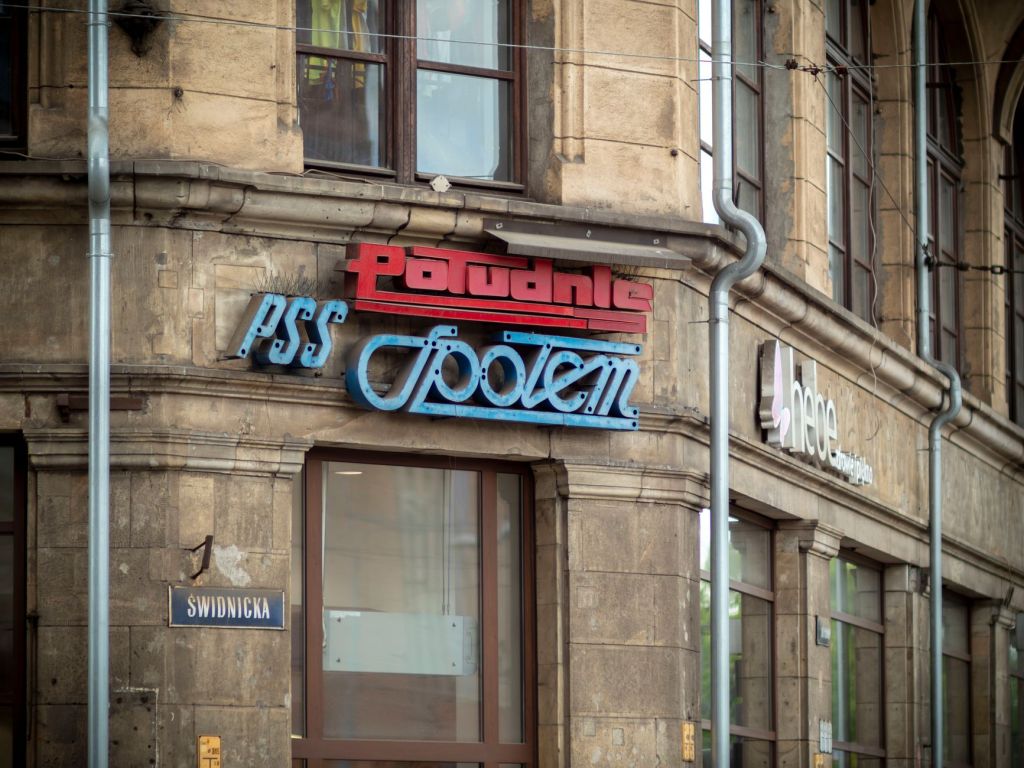
  • Społem
    Społem Logo, Katowice 2008
    The very first time I saw a Społem logo, Katowice 2008

    Społem: Mój Społem

    Adaś: A Small Shop, A Lifetime of Care

    In 2010, when I moved to Gliwice, I didn’t realise that a small shop named Adaś would quietly become part of my daily life. The shop near my flat — Sklep nr 3, Adaś (“little Adam”) — was warm and familiar in its quiet way. Its retro-futurist façade, a block of warm yellow trimmed with deep red around the windows and entrance, looked almost out of time. A short flight of worn concrete steps led to the door, with two shallow channels carved into them to make rolling a pram, trolley, or heavy basket easier — a small, practical gesture that spoke of a world built for people, not fashion. The surfaces were worn smooth, their edges chipped from decades of careful use, yet everything remained solid, functional, human.

    Nearby, but architecturally very different, sat Sklep nr 30: Dom Chleba (“House of Bread”). Housed in a grand kamienica building with tall windows, it possessed a quiet dignity that felt almost ceremonial. Adaś invited you in; Dom Chleba inspired reverence from the street. Both were Społem, both cooperative, but each carried its own personality — one familiar, domestic, stubbornly practical; the other stately, reverent, almost sacred. Walking past, I would slow my pace, drawn to its presence as the faint aroma of bread drifted through the air and light caught the polished glass.

    For months, Adaś was simply a backdrop to my walk. I had Biedronka for the big shops, Żabka for quick errands, and a constellation of tiny independents that dotted my neighbourhood. And yet, every day, my eyes were drawn back to Adaś — the bold yellow, the deep red, the quirky tracks up the steps. I wasn’t ready to enter just yet. I didn’t know the rhythm, the precise choreography of a place lived in for decades. Each glance through the window hinted at order, calm, and something beyond mere commerce.

    When I finally stepped inside, it felt as though I had walked into a library of groceries. The air was calm, deliberate, filled with a faint, comforting scent of bread, cheese, and polished wood. Every shelf, counter, and item had its designated place. The women behind the counters — older, impeccably turned-out, quietly authoritative — moved with decades of practised ease. Their white coats weren’t medical; they were symbols of competence, care, and pride. Each piece of produce, each jar of preserves, each slice of cheese existed in quiet, ceremonial order.

    The charcuterie counter sat at the back — a glass-fronted island of cold cuts, cheeses, and jars with labels that had barely changed in decades. Behind it stood the matriarch: older, immovable, quietly commanding. I didn’t dare touch anything without her noticing. She watched every customer and every interaction, never with impatience or anger, but with vigilant, maternal authority. Over time, she acknowledged me — sometimes with a soft word, sometimes just a nod — and I learned to navigate Adaś with confidence.

    “The women were everywhere. Not hovering to intimidate, but present, attentive, almost protective.”

    If I hesitated, a soft word, a guiding hand, or a glance offered reassurance. There was no judgement — only expertise and care honed over a lifetime. I felt their history in their movements: the precise way they weighed cheese, wrapped parcels, arranged bread, the faint rustle of wrapping paper, and the subtle clink of scales — a choreography perfected over decades.

    The checkout had its own rhythm: steady, polite, unhurried. Items were presented one by one, scanned with deliberation, and packed the way the shop had always done it. There was no rush, no chatter unless invited. Each transaction felt almost liturgical, an acknowledgement of the dignity of everyday life. I returned not out of necessity, but out of affection. Adaś offered something rarer than convenience: a quiet, human world where order and kindness lived side by side.

    Inside, every corner seemed curated. Fruit and vegetables were arranged in modest, precise displays — cabbages aligned, apples forming gentle pyramids, bread stacked with care. The names of the shops mattered, too. Adaś wasn’t just Store No. 3; it was Adaś — intimate, affectionate, almost a neighbour. Dom Chleba wasn’t Store No. 30; it was the House of Bread — dignified, enduring, ceremonial. These names gave each shop a personality within the cooperative family.

    And then, slowly, it clicked. Adaś echoed my grandmother’s Co-op in Shiney Row — that same sense of formality, care, and respect. My grandmother had shopped there in the 1960s and 70s, when independent stores and the Co-op defined the high street, and she refused, point-blank, to set foot in modern American-style supermarkets. Standing in Adaś, surrounded by women who had kept their cooperative alive through decades of change, I realized I wasn’t just adapting to Poland. I was returning to something I had known as a child. Społem wasn’t foreign at all. It was a mirror of my own past.

    Some things endure, steady and unhurried, carrying the same care, the same stories, through time.

    I hope Społem continues to exist and serve the communities it has supported for generations — not for nostalgia, but because it embodies something the world is losing: continuity, community, and quiet dignity. Adaś remains a steadfast presence, practical yet warm, while Dom Chleba continues to command admiration and reverence. Both carry histories, both reflect character, and both remind those who pass by that ordinary life can be extraordinary when lived with care.

    Sadly, my photographs of Adaś are lost to time. I do, however, have a photograph of another store — one I never ventured into. It sat just a little too far from my usual routes around the city, unless I was picking up a pizza from Da Grasso. While waiting for my order, I idly took a picture of Sklep nr 2: „Mieszko”.

    Sklep nr 2 Mieszko, Gliwice
    Sklep nr 2 „Mieszko”