Ghosts to Carry, Stories to Keep

Where memory meets the page, one moment at a time.

  • International Beer Day 2026
    4–6 minutes

    3 Short Stories to Celebrate.

    I’ve come to enjoy a beer in a way I never used to — slowly, deliberately, and with a few odd habits that have settled in over the years. It wasn’t part of my youth, and it certainly wasn’t part of my Navy years. Beer arrived later, quietly, without fanfare, like a small ritual that sneaks into your life when you’re not paying attention.

    Four o’clock is my hour. Not a rule, just a rhythm. Three o’clock is a pot of tea, four o’clock is beer. One sunny afternoon I was sitting in the front garden with a cold bottle, Lola beside me, when my neighbour — the funny, sweet teacher who projects her voice like she’s still addressing a classroom — called out, “Beer o’clock again!” I sat there for a moment, wondering whether this was a warning or a joke, and decided it was simply true. Beer o’clock. A new phrase for me, but clearly not for her.

    I generally don’t drink beer with meals — not a strict rule, and depends upon what I am eating. Beer before food, yes; beer while cooking, even better. Two is my limit. The point is not to get drunk. I’ve been drunk enough in my life to know it’s a waste of a perfectly good day. A slight buzz is acceptable; anything beyond that feels like borrowing trouble.

    My tastes have shifted too. The thick, opaque, grapefruit‑shouting pale ales of the last decade have finally worn out their welcome. Perhaps it’s age, or perhaps it’s just clarity asserting itself. These days I reach for German beer — clean, honest, unshowy. A beer that tastes like beer.

    So if you raise a glass on International Beer Day, do it gently. Prost, salut, na zdrowie. Enjoy it, but don’t overdo it. You’ll be sorry.

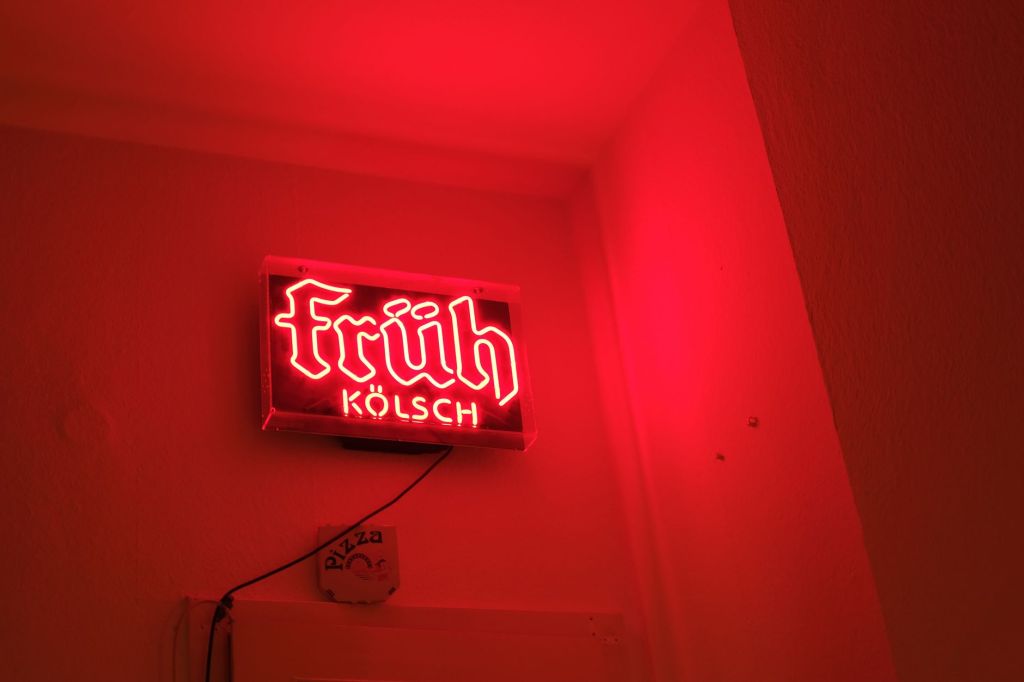
    I celebrated International Beer Day with an ice‑cold bottle of Früh Kölsch, a style of beer that is new to me. It was a refreshing, superb beer to while away a little of the afternoon sunshine.

    And from here, naturally, the story turns backwards — to a brewery visit, the quiet bar with the coal fire, and the discovery of Czech and Slovak beers that changed everything I felt about enjoying something truly crafted.


    The Tyskie Brewery Tour

    Somewhere in that visitor-to-Poland phase — when I was still being shown Poland rather than discovering it — one of my close friends invited me to join their family on a tour of the Tyskie Brewery. I said yes immediately. It felt wholesome, cultural, even historic. The kind of thing you’re meant to do when you’re still new to a country and trying not to offend anyone.

    The first hour was wonderful.

    The old brewery had weight and character. Brick walls that had seen generations. Machinery that looked as if it had been designed by men with moustaches and pocket watches. I was genuinely absorbed. It felt rooted, authentic, and properly Polish.

    Then we crossed a threshold — and entered the modern brewery.

    It was like stepping into a different century. A vast metallic landscape of canning lines, bottling machines, conveyor belts, safety barriers, and industrial hum. Everything gleamed. Everything moved. Everything repeated itself with mechanical certainty. For the first twenty minutes, I tried to follow the guide’s explanations. After that, I simply drifted, nodding at intervals, trying not to look like a man who had lost all sense of time.

    Nearly two hours.

    Nearly two full hours of stainless steel and bottles.

    There was a point — somewhere deep into the industrial section — when my brain simply left. It didn’t announce its departure. It didn’t even leave a note. It just quietly slipped out the back door while I remained standing there, staring at conveyor belts carrying either bottles or cans (I genuinely can’t remember; they’d merged into one hypnotic blur).

    The guide recited statistics with the weary precision of someone who had said the same numbers every day for ten years. Output per minute, per hour, per day. Enormous numbers. Impressive numbers. Numbers that meant absolutely nothing to me. I nodded as if absorbing them, but inside I was gone. Utterly out. A polite hostage of stainless steel and social obligation.

    And yet — I didn’t dare show it.

    I was with my friend’s family. They’d invited me. They were being kind. So I stood there, smiling, performing enthusiasm with the desperation of a man who didn’t want to offend anyone. My inner voice lay flat on the floor, whispering, “I’m out,” while my outer voice murmured, “Fascinating… really fascinating.”

    By the time we reached the brewery tap, we were a changed group. Even my friend’s father — a man not easily fazed — had settled into his chair with the unmistakable posture of someone who had earned his drink. There was that shared, unspoken moment:

    Right. We’ve survived. Now we drink.

    And then came the surprise.

    Just one beer.

    No more than thirty minutes.

    And then skedaddle.

    We drank our solitary beer with the reverence of monks. Sipped it like medicine. Held on to it as if it were the last pint on earth. And just as we began to settle into the moment, the next tour group appeared at the door, forming like a queue at airport security. The staff gave us that polite, apologetic smile that meant:

    “Lovely to have you, but your time is up.”

    We stood, gathered ourselves, and filed out — a small procession of people who had been through something together. A shared ordeal. A conveyor‑belt pilgrimage rewarded with one solitary beer.

    Looking back, it’s one of the funniest memories of that visitor phase — a perfect blend of hospitality, industrial pride, and gentle absurdity. And it belongs to that early chapter of Poland, before I discovered the quiet bar with the coal fire, before Czech beer, before Koneser Pub, before anything felt like mine.
  • Folder of Stars
    1–2 minutes

    For One Who Folded Stars

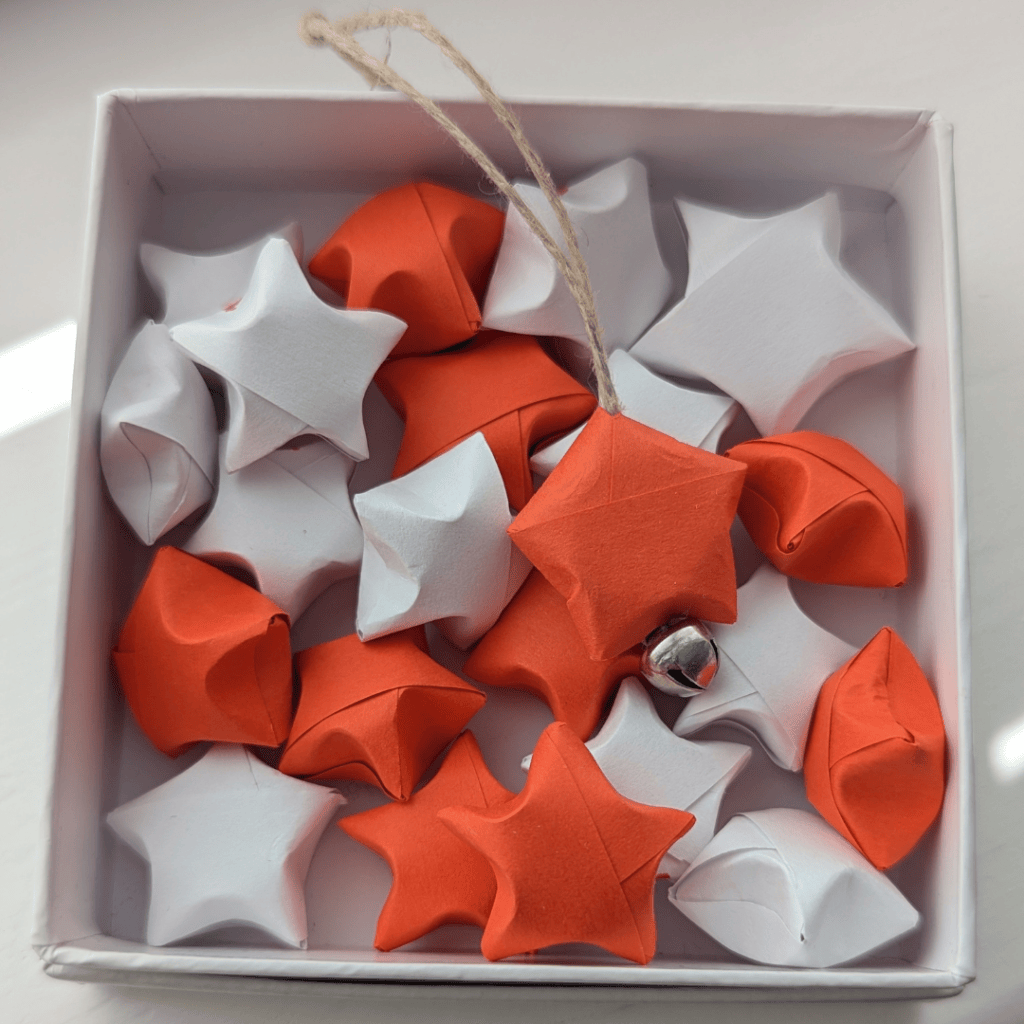
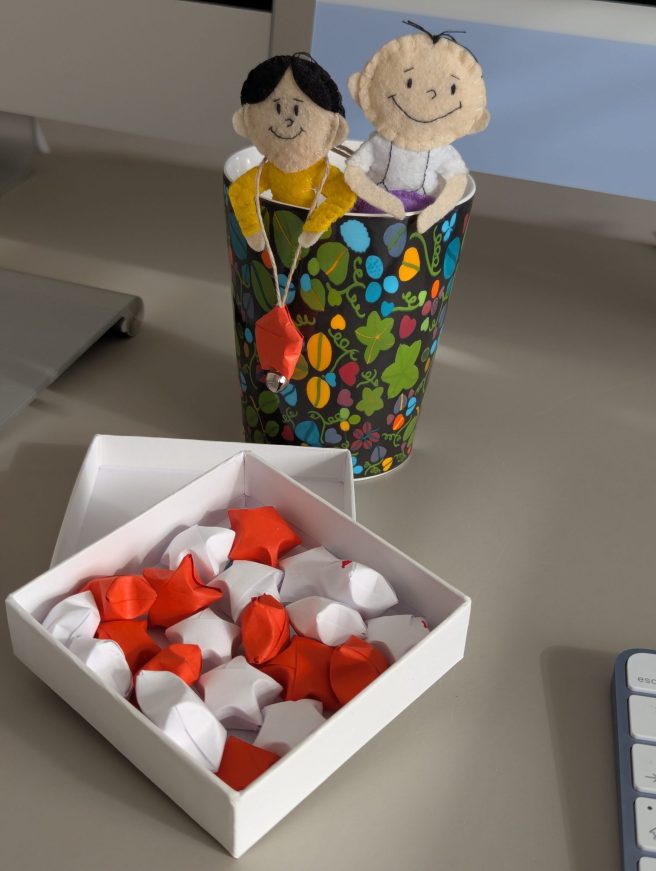
    You left a white box no larger than my palm,
    packed tight with red and white paper stars.
    One carried a tiny bell tied to a string;
    others hid your writing, tipped with a stroke of red ink.
    I opened two, maybe three,
    and sat speechless, putting them back like quiet secrets.
    You could slip into a crowded room without a word—
    shy, hiding an insecurity behind a quiet posture,
    until the air caught you
    and your laugh broke out as loud as mine.
    And when your eyes filled over nothing at all,
    you would whisper an apology for feeling so much.
    Yet when you chose a thing, you threw your whole weight behind it—
    mastering hard German verbs, new steps on the dance floor,
    or the crisp, exact folds of paper.
    Driven by a quiet hunger,
    you gathered new worlds wherever you went,
    leaving footprints in distant places
    but leaving your heart’s work here, in my hands.
    And in the soft remembering,
    that drive and tender courage glow again.
    The stars you folded
    still open themselves — in the heart of the one
    who carries your light.
    Fediverse Reactions
  • Exploring the Konstal 105Na: A Tram’s Journey
    4–6 minutes
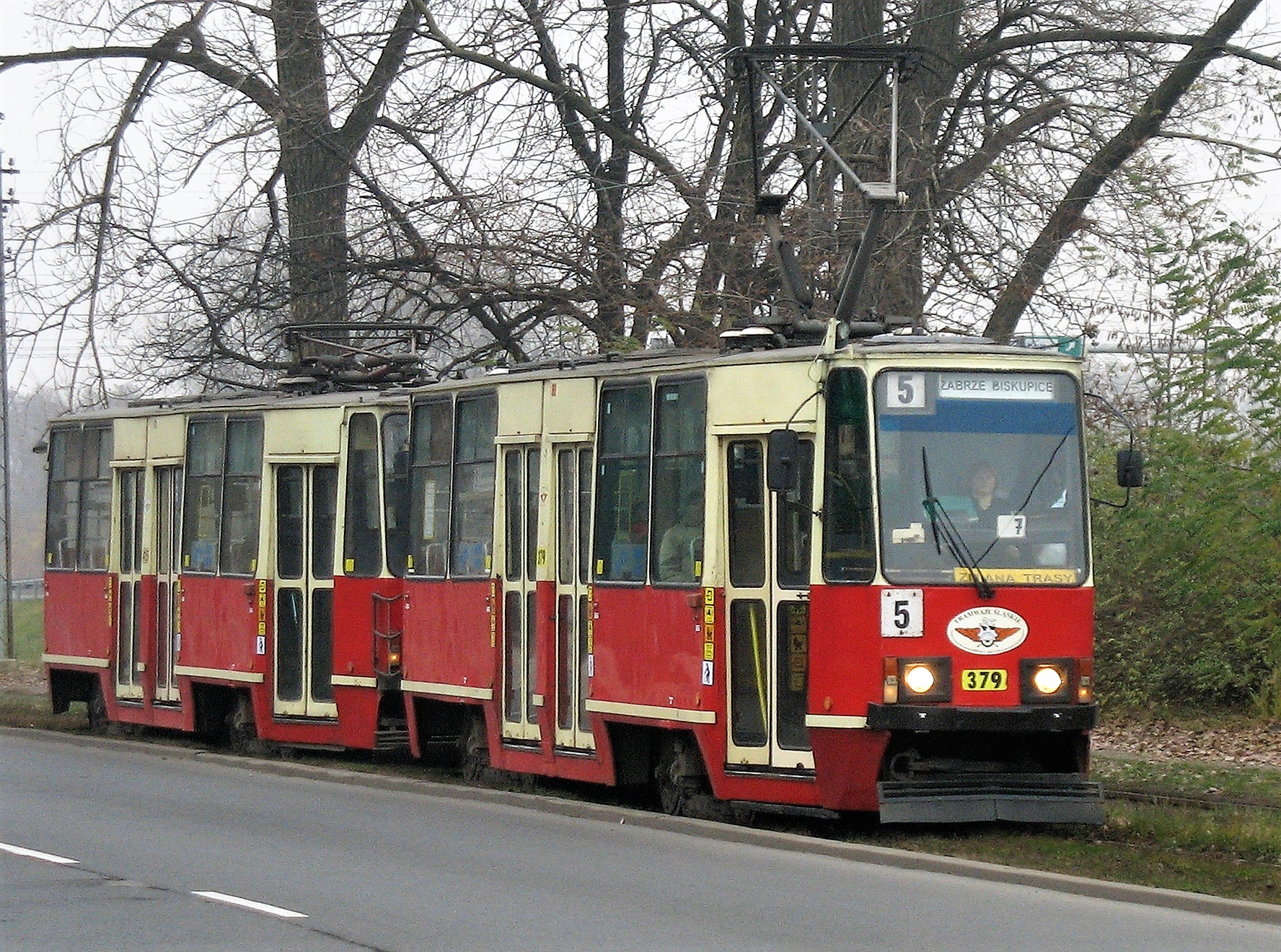
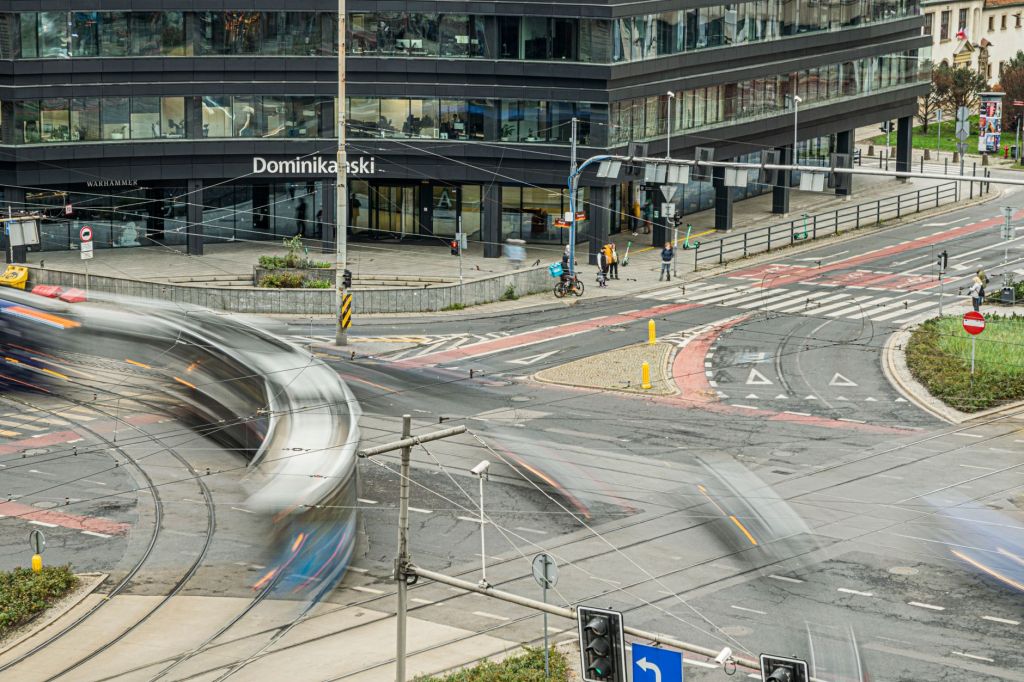
    Konstal 105Na on ul. Wolności, Zabrze (22 November 2011).
    Photo: Nemo5576, CC BY-SA 4.0

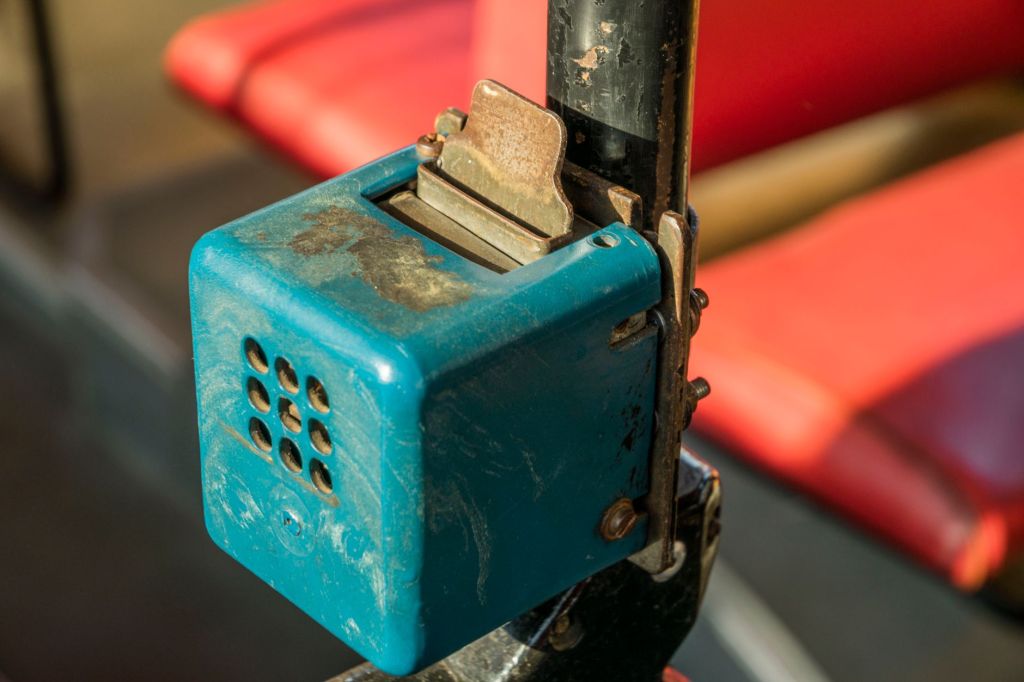
    Ode to the Konstal 105Na The tracks were so narrow I thought the tram might fall off, but it didn’t — because of course it didn’t. Inside, the seats were plastic, the colour of old fruit, and offering one to an elderly man earned me an interrogation: “What did you do to it?” I learned to move like everyone else — a gentle push, a quiet sorry, a hand on the validator that clicked like a small confession. I learned the balance of it — that half‑stance everyone knows, ready for the next rattle. The tram held twenty seats and a hundred and five standing souls, which felt about right. No one came here to rest. We came to move, to sway, to watch the city pass in windows that shook like memory. And every time the bell rang, it sounded like the beginning of a story I hadn’t lived yet, but somehow recognised.
    Oda do Konstala 105Na Oda do Konstala 105Na Tory były tak wąskie, że wydawało mi się, że tramwaj zaraz z nich spadnie, ale nie spadł — bo oczywiście, że nie. W środku były plastikowe siedzenia, w kolorze przejrzałego owocu, a kiedy ustąpiłem miejsca starszemu panu, spotkało mnie przesłuchanie: „A co mu zrobiłeś?” Uczyłem się poruszać jak wszyscy — delikatne popchnięcie, ciche „przepraszam”, dłoń na kasowniku, który klikał jak małe wyznanie. Uczyłem się też tej równowagi — tej półpozycji, którą każdy zna, gotowej na następne szarpnięcie. Tramwaj miał dwadzieścia miejsc siedzących i sto pięć stojących dusz, i wydawało się to całkiem właściwe. Nikt nie przychodził tu odpoczywać. Przychodziliśmy, żeby jechać, kołysać się, patrzeć na miasto w oknach drżących jak wspomnienia. A za każdym razem, gdy rozlegał się dzwonek, brzmiał jak początek historii, której jeszcze nie przeżyłem, a jednak skądś ją znałem.
    World Poetry Day 2026.
    My small contribution. I’ve always been fascinated by trams — all of them — but especially the ones I saw in Zabrze. There was something wonderfully stubborn about those Konstal 105Na units climbing the little rise on ul. Mikulczycka, as if the hill were negotiable only out of mutual respect. I never actually managed to ride that route. Only later did I learn that dedicated tram enthusiasts have a name for travelling around just to see them: tram bashing.
    Apparently this is a real thing. I had no idea I’d been doing it accidentally.

    Światowy Dzień Poezji 2026.
    Mój skromny wkład. Zawsze fascynowały mnie tramwaje — wszystkie — ale szczególnie te, które widziałem w Zabrzu. Było coś uparcie uroczego w tych Konstalach 105Na wspinających się na małe wzniesienie na ulicy Mikulczycka, jakby ten podjazd był możliwy tylko dzięki wzajemnemu szacunkowi. Nigdy nie udało mi się przejechać tą trasą. Dopiero później dowiedziałem się, że zapaleni miłośnicy tramwajów mają na to specjalne określenie: tram bashing.
    Okazuje się, że to naprawdę istnieje. Nie wiedziałem, że robiłem to zupełnie przypadkiem.
    A small note on the word komposter:
    The old mechanical validators punched holes in paper tickets with such enthusiasm that someone, at some point, decided they must be “composting” them. Whether the clippings ever became actual compost is unknown. My memory insists they should have.

    Mała uwaga o słowie komposter:
    Stare kasowniki robiły w biletach dziurki z taką energią, że ktoś kiedyś uznał, iż to musi być „kompostowanie”. Czy te wycinki naprawdę trafiały do kompostu — nie wiadomo. Moja pamięć twierdzi, że powinny.

    Małe słowa, wielki duch: Sileski jynzyk żyje dalij.

    A small poem, a tribute to a language that survives, is used, and cherished for thousands. Silesian came to me through everyday objects: my “tasza”, gifts like poster prints, pin badges, memories, and the humble klapsznita — a sandwich. The teens were my students and actually replied in English; it was a warm-up exercise: asking them to describe what they’d eaten for breakfast that day. In truth, they described what they eat most days. All of them said the same thing: a sandwich.

    I never used that as a warm-up exercise again.

    I’ve used the Silesian word for sandwich with cheese, with ham, with tomato — and somehow that tiny shift carried a whole world with it.

    (And yes — I know that what they ate were probably open style sandwiches, and that a true klapsznita has two slices of bread. Any Silesian speaker would have corrected me immediately. I learned that one the cheerful way.)

    Later I learned that klapsznita belonged to miners and factory workers: two slices of hard Polish bread packed into a bait box for a long shift underground or on the line. What my students were describing was the softer, everyday sznytka. The correction came cheerfully, and I was glad of it. A single word can carry a whole world, and sometimes two worlds at once.

    “What do you eat for breakfast?”
    I ask.
    Twelve teens look up,
    twelve stories begin:

    sznytka z syrōm,
    sznytka z szynkōm,
    sznytka z pōmidōrym.

    One whispers Nutella,
    as if breaking tradition.

    And suddenly
    the whole room smells
    of Silesian morning.

    ****
    If you have a poem of your own you’d like to share, feel free to leave it in the comments. The doors are open — just mind the step.
    Jeśli masz swój wiersz i chcesz się nim podzielić, śmiało zostaw go w komentarzu. Drzwi są otwarte — tylko uważaj na próg.
    Fediverse Reactions
  • Czekając przy torach w śniegu
    2–4 minutes

    A Winter Moment Shared 

    I dared not look at you then.
    Not in that first unexpected moment
    when your arm slipped into mine
    as if the cold itself had guided you there.

    Around us snow began to fall
    as the city descended into winter’s grey dusk;
    it felt like a door opening in a house I’d lived in all my life
    without realising it had rooms I’d never entered.

    I felt my world pause and give me a moment
    I had no right to expect.
    I didn’t know it until then, but that quiet gesture —
    that moment you drew closer — was the moment my life
    had been waiting for without telling me.

    I walked through the snow beside you,
    still arm‑in‑arm, held close against the cold,
    changed by a friendship I had yet to grasp,
    as if the air had learned a new temperature
    and the colour of a new world
    had shifted by a shade
    only I could see.

    Time itself seemed to slow.
    The snow — heavier in the air,
    chalk‑dust light on our sleeves —
    fell in a cold so sharp it silenced everything,
    leaving only the sound of our steps, our breath,
    and the warmth of your arm in mine,
    a kindness given without thinking,
    a gentle gesture in the cold.

    Or maybe it was the beginning
    of something neither of us imagined —
    trust arriving in disguise,
    care taking its first breath,
    a warmth that felt accidental
    and inevitable in the same heartbeat.

    I didn’t dare look at you.
    Not because I was afraid,
    but because I already knew.

    This Polish version is not a translation in the strict sense, but a gesture of gratitude.

    It honours the remarkable people, the cities where these memory live, the language that shaped it, and the incredible kindness of those who once opened their doors, their warmth, and their world to me.

    It is offered with respect, and with quiet remembrance.

    Chwila zimy dzielona we dwoje

    Nie śmiałem wtedy na ciebie spojrzeć.
    Nie w tamtej pierwszej, niespodziewanej chwili,
    gdy twoje ramię wsunęło się w moje,
    jakby sam chłód poprowadził cię w tę stronę.

    Wokół nas zaczął padać śnieg,
    a miasto zapadało w zimowy, szary zmierzch;
    czułem się, jakbym otwierał drzwi domu,
    w którym mieszkałem całe życie,
    nie wiedząc, że kryje pokoje,
    do których nigdy nie zajrzałem.

    Świat na moment się zatrzymał
    i podarował mi chwilę,
    do której nie miałem prawa.
    Nie wiedziałem tego aż do tamtej pory,
    ale ten cichy gest —
    ta chwila, w której zbliżyłaś się do mnie —
    była momentem,
    na który moje życie czekało
    bez słów i bez wyjaśnień.

    Szedłem obok ciebie wśród śniegu,
    wciąż pod rękę, blisko, chroniony przed zimnem,
    odmieniony przyjaźnią, której jeszcze nie pojmowałem,
    jakby powietrze nauczyło się nowej temperatury,
    jakby barwa świata
    przesunęła się o odcień,
    który tylko ja mogłem dostrzec.

    Czas jakby zwolnił.
    Śnieg — cięższy w powietrzu,
    leciutki jak kredowy pył na naszych rękawach —
    spadał w chłodzie tak ostrym, że uciszał wszystko,
    zostawiając tylko odgłos naszych kroków, nasz oddech
    i ciepło twojego ramienia w moim —
    odruch dobroci,
    gest dany mimochodem w zimnie.

    A może było to początkiem
    czegoś, czego żadne z nas nie przewidziało —
    zaufania przychodzącego w przebraniu,
    troski biorącej pierwszy oddech,
    ciepła, które wydawało się przypadkowe,
    a jednak nieuchronne
    w tym samym uderzeniu serca.

    Nie śmiałem na ciebie spojrzeć.
    Nie dlatego, że się bałem,
    lecz dlatego, że już wiedziałem.

    Dziękuję za tamten zimowy wieczór.

  • Ôbzdrzōnek przez śniyg
    1–2 minutes

    Ôbzdrzōnek przez śniyg

    For more than a moment I stood there.
    The bright modern shopping centre seemed almost insignificant
    as my eyes widened in shock and awe.

    The preserved pithead — KWK Kleofas —
    rising where I least expected it,
    my friends saying nothing,
    letting me discover it myself.

    I saw through the eyes of those before me —
    men who knew the weight of the work,
    the danger buried under their feet,
    the kind my grandparents prayed
    their blood and kin would escape.

    I’d lived with such monuments,
    watched their wheels turn in memory,
    but seeing this one held and honoured here,
    beside the mall’s bright glass,
    was simple and complex at once —
    as if history had turned its face toward mine
    and waited for me to understand.

    We stayed for hours — a meal, a beer or two —
    the cold beyond the doors forgotten.
    When we stepped outside,
    the cold hit differently,
    sharp on faces and hands.
    Through it, Kleofas rose again —
    steel and shadow lit from below,
    no longer a shock but a recognition.

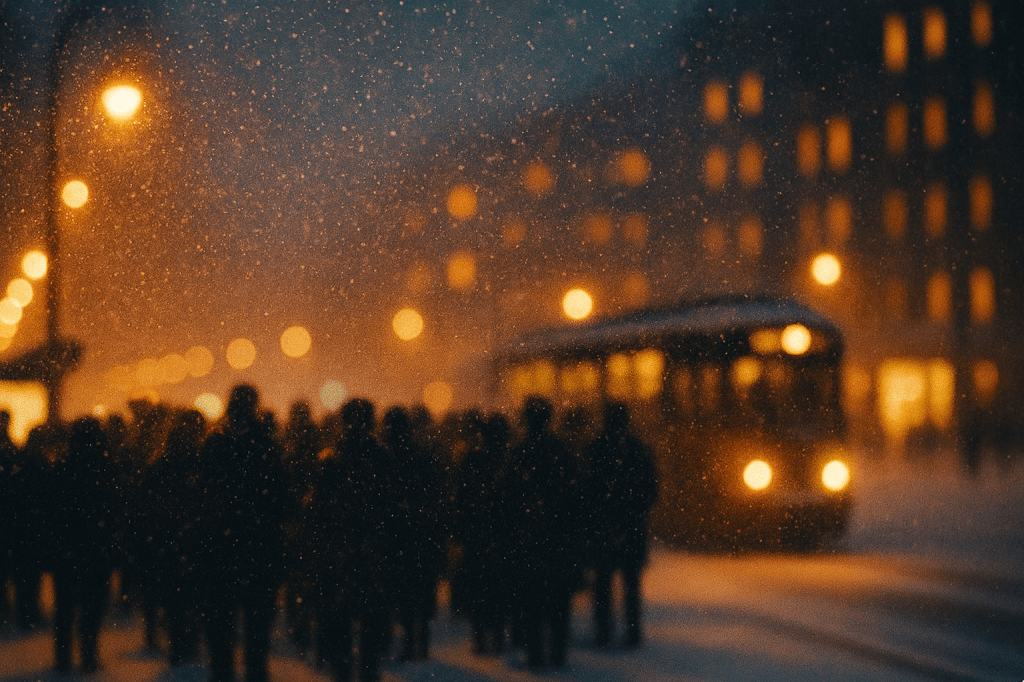
    We walked toward the tram stop,
    the cold settling into our coats,
    snow gathering on our sleeves.
    People stood in clusters,
    faces turned toward the tracks,
    waiting for something to arrive.
    I felt the quiet between us —
    not silence, but a space opening,
    a pause before a truth
    I hadn’t yet learned to name.

    Footnote:

    In Silesia, coal mines were traditionally given formal names — sometimes honouring local figures, sometimes imposed by the state. These names became part of the identity of the miners and their communities, carried with pride across generations. “Kleofas” is the name restored after 1990, replacing the communist‑era “Gottwald,” and is the name remembered by those who lived and worked around it.

  • By Tram/Tramwajem
    1–2 minutes

    Pieszo i tramwajem

    (Walking and riding trams, Katowice — Katowice 2008, Part II)

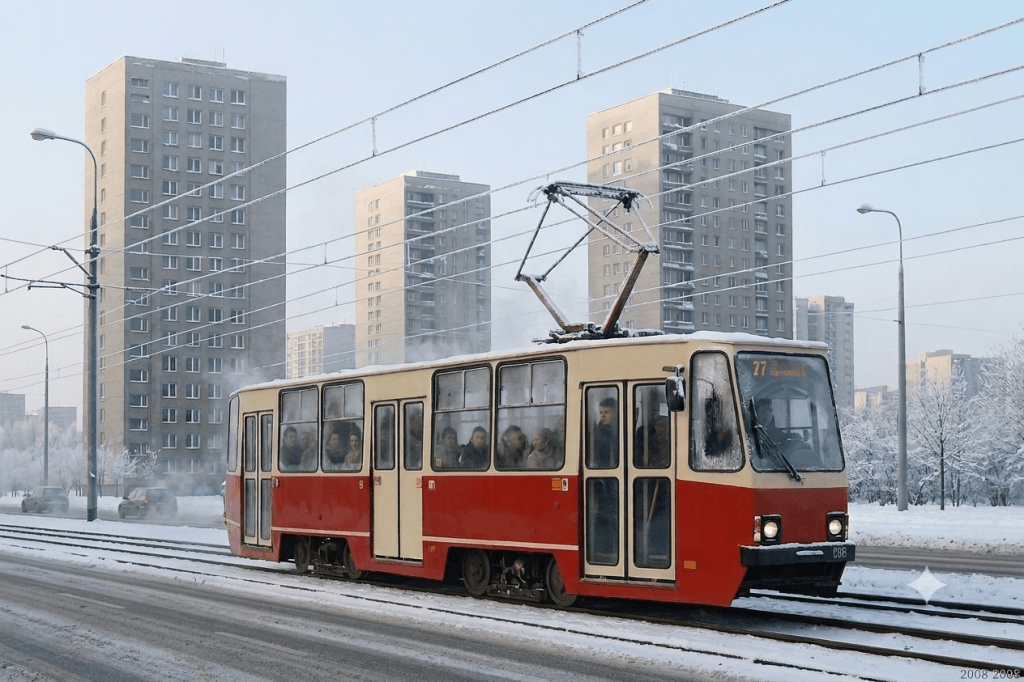
    Up the long avenue
    the city grew stranger.
    Concrete ships rose on my left,
    vast hulls of housing anchored
    in the winter light.

    I had never seen buildings
    lean like that,
    curve like that,
    loom with such quiet certainty.

    And then Spodek—
    a saucer on the skyline,
    tilted against the snow-grey dusk.
    I didn’t know its story yet.
    I only knew it felt
    like something fallen from another decade,
    brutal and improbable,
    wholly unexpected.

    I walked toward it
    as if approaching a question
    I didn’t yet know how to ask.

    The tram arrived already full,
    a glass and metal can of compressed life.
    I suggested we could wait for another.
    My friend laughed,
    took my arm,
    pulled me forward into the crush.

    Inside, warmth closed around us—
    breath, wool, damp coats,
    melted snow turning to steam.
    The air tasted faintly of metal and electricity.
    People shifted only when they had to,
    a slow, reluctant tide
    making just enough space
    for us to fold ourselves in.

    I reached for the validator,
    awkward, apologetic,
    thinking we could let it go this once.

    “No,” she said.
    “We do this.”

    Her voice firm—
    the city’s rule spoken through her.

    The tram lurched,
    windows fogging instantly,
    rails singing under frozen wheels.

    I held the metal pole,
    felt the whole carriage sway,
    felt myself carried with it—
    not a visitor now,
    but part of the movement.

  • Elevated Discovery
    3–4 minutes

    A Discovery

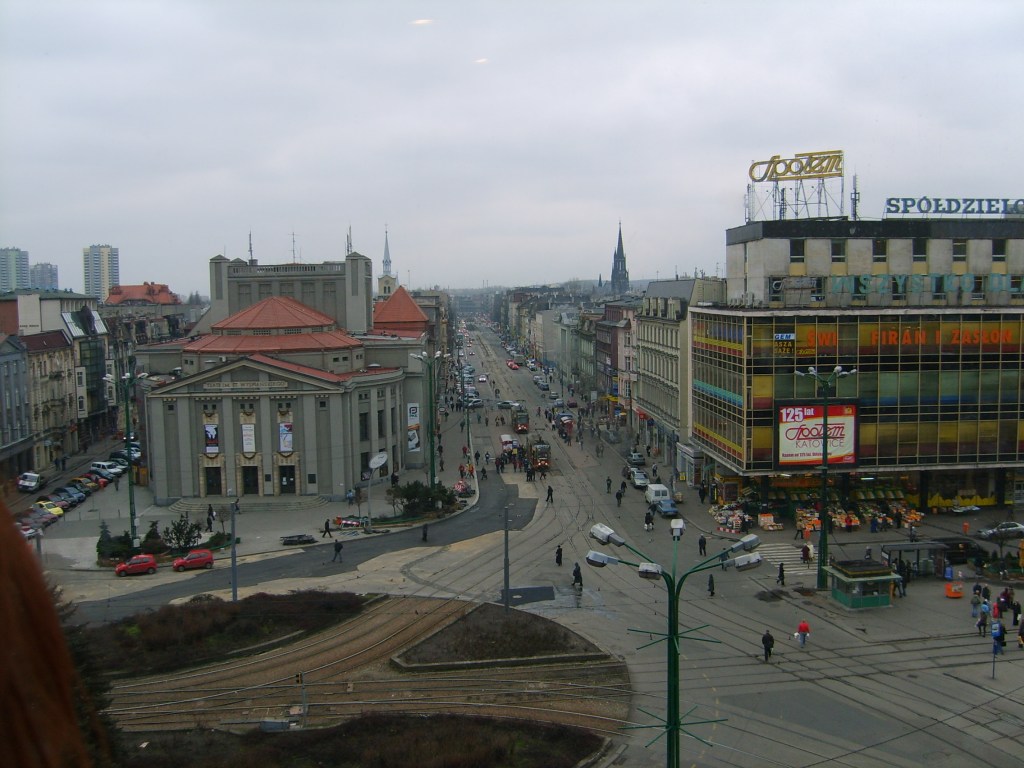
    The photograph you see here was taken on the afternoon of the second day of my first visit to Poland—a moment that has stayed with me far longer than I ever expected. I captured it with my trusty iPhone 3G, though the device felt almost insignificant compared to the weight of the experience unfolding around me. I was travelling with two dear friends who had invited me into their world and welcomed me into their homes with a generosity so profound I still feel it today.

    They were bound to this region — its cities, its stories, its striking landmarks—with a depth of connection I could sense but not yet fully grasp. Katowice wasn’t quiet or unassuming; it was vivid, surprising, and unlike any European city I had visited before. Structures like Spodek rose from the landscape with an almost otherworldly confidence, and the city carried a pulse that was impossible to ignore.

    As we wandered through the city’s streets, the air thick with history and the hum of everyday life, they suggested — almost mischievously — that we take a ride on one of the lifts clinging to the outside of a store called SKARBEK. It was a small idea, offered just for fun, but at that moment it felt like an invitation into the city’s hidden rhythms, a glimpse of the world they knew so well and were now letting me step into.

    Back then, Katowice felt like a city mid-stride — part industrial past, part emerging future. You could still see the outlines of the old Silesian identity everywhere: the brickwork, the tramlines, the pit-head silhouettes on the horizon. But alongside them, new buildings were rising, their glass and steel catching the light in ways that didn’t quite match the older streets yet. It was a place shifting shape, but not hurriedly: a city learning how to be something more than what it had been, without forgetting what it was.

    I expected a fun day out with friends and imagined Katowice as simply another large city, no different from many I’d visited in the UK or elsewhere. But something shifted. What I found there wasn’t just a city; it was a moment of recognition—the sense that something important had happened here long before I arrived.

    This poem isn’t about that day exactly.

    It’s about an uncovering of place and self.

    Katowice 2008 — A Discovery

    Some cities overwhelm you with beauty.
    Katowice overwhelmed me with texture.

    We stepped off the train
    into a cold that felt older than winter—
    a dry, metallic, mechanical edge
    that caught in the breath
    and settled on the skin
    beneath a sky bright with a hard winter light
    that made every surface sharper.

    The station rose around us
    in concrete vaults and shadowed curves,
    a relic of a future someone once imagined.

    We moved through it carefully,
    travellers threading a way through damp stone floors,
    entering a city
    that seemed to exist in layers
    I couldn’t see all at once.

    Outside, the air carried its own history —
    coal-warmth drifting from old kamienice,
    diesel threading through the cold,
    a faint industrial undertone
    that felt like the city’s pulse.

    Later, rising through glass,
    the streets unfolded beneath us —
    facades patched and peeling,
    neon unlit against the day,
    trams threading narrow rails,
    queues bending toward old stops,
    and I fell quiet.

    Trams clank-clattered through the centre,
    singing their song of squealing clackity-clacks,
    pantographs brushing the wires, humming overhead
    like a hissing, crackling electrical message
    sent across the winter air.

    People moved with purpose,
    caught in currents of a city
    still running on older rhythms.

    Fruit and vegetable stalls glowed under the pale sky,
    oranges burning bright against winter grey,
    buckets of bright flowers startling the cold.

    I owned a history of crossed borders,
    yet nothing prepared me for this —
    a place that felt half-real,
    half-remembered from some Cold War dream,
    a city arriving all at once
    in sound and scent and astonishment.

    I was tired from travelling,
    yet something in the air—
    coal-warm, diesel-bright,
    alive —
    pulled me upright.

    I hadn’t expected to feel anything.
    Instead, I felt everything —
    the weight, the cold, the pulse,
    the unmistakable texture
    of a city revealing itself
    all at once.

  • Up-Up There/Tam‑Tam‑Wysoko
    3–4 minutes
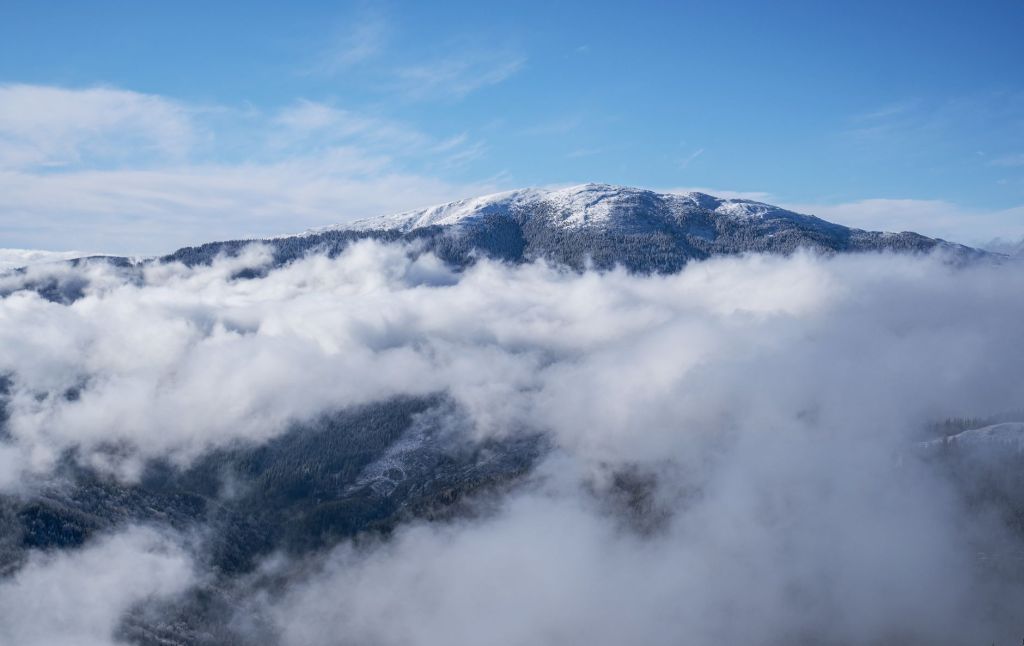
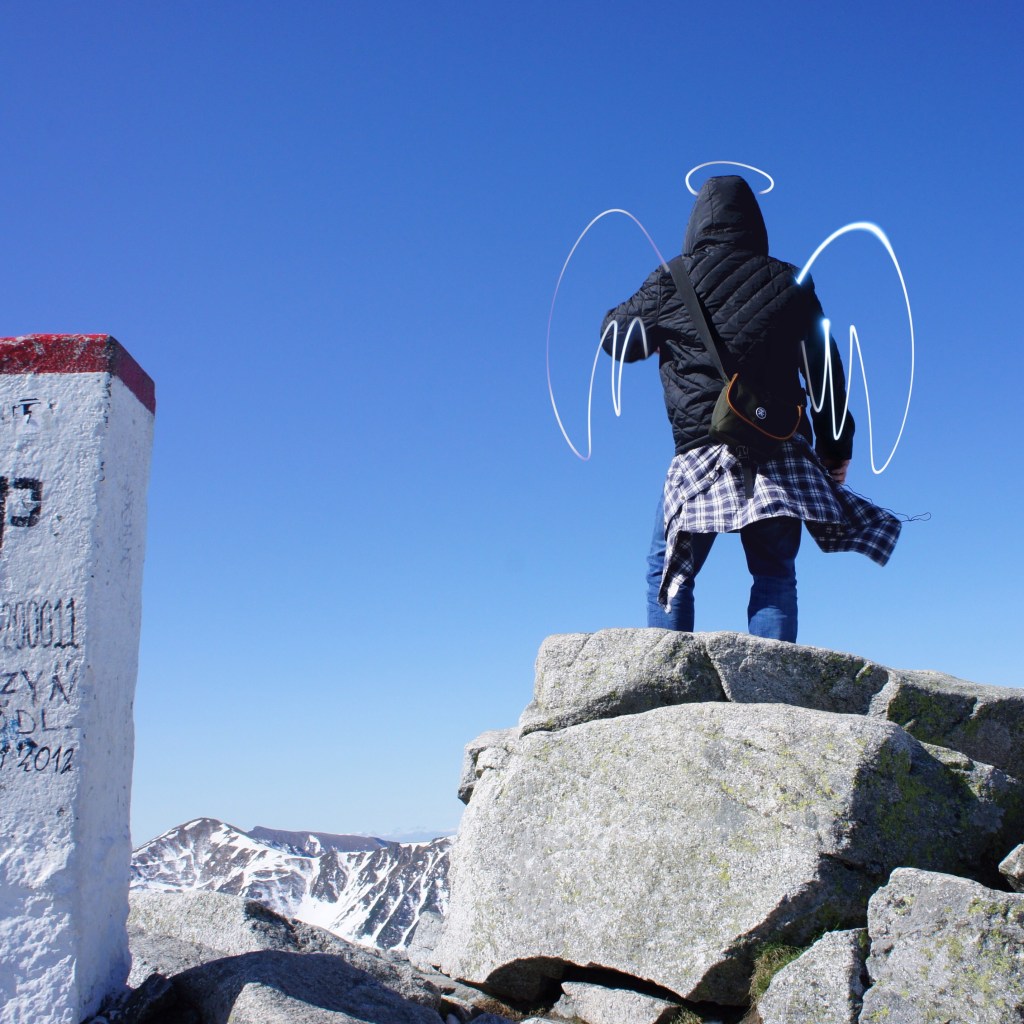
    Inspired by the incredible Polish Tatras and a photograph taken unawares.

    Up-Up There

    Far past the towns and the twisty streets,
    Where the wind does its whirling and the mountain air greets,
    Is the peak of the Up‑Up‑There,
    Where the clouds wear scarves and the sky parts its hair.

    Now most folks don’t climb it — it’s rocky and steep,
    And the ledges are narrow, and the drop is quite deep.
    But one day a traveller, with boots full of grit,
    Said, “I think I’ll go see where the sky likes to sit.”

    He hiked and he puffed, and he climbed with great care,
    Till the world shrank below like a pebble down there.
    With a jacket of puff and a shirt tied just right,
    He reached the last ledge in the crisp mountain light.

    With every hard step as the trail turned to slate,
    His spirit grew lighter, forgetting the weight.
    He found, mid-gasp in the crisp, frozen air,
    A quiet resolve he didn’t know was there.

    But oh — when he stood on that tippy‑top stone,
    Something happened that mountains had never quite known.
    A shimmer! A glimmer! A flicker of white!
    Two doodled‑on wings fluttered into the light.

    A halo popped up with a bloop and a bing,
    And the traveller blinked at this bright, floaty thing.
    The mountains all gasped with a rumble and creak:
    “Why, we’ve never seen magic this high on a peak!”

    But the traveller just chuckled and gave a small shrug.
    He wasn’t there for glory, big fame or a hug.
    He simply looked out at the world far below,
    Where the rivers all ribboned and the soft breezes blow.

    The halo hummed gently. The wings gave a sway.
    The traveller whispered, “I like it this way.”
    No trumpets, no cheering, no grand angel choir —
    Just a person and sky and a heart climbing higher.

    And the mountains agreed, with a nod and a groan,
    That some magic prefers to stay quiet, alone.

    If ever you wander to Up‑Up‑There peak,
    And the wind seems to giggle and brush past your cheek,
    You might hear a whisper float soft through the blue –
    “Be brave in your climbing — the wings are in you.”

    Wersja polska: Tam‑Tam‑Wysoko

    Daleko za miastem i krętym traktem,
    Gdzie wiatr się zakręca swym śmiesznym kontaktem,
    Jest szczyt zwany Tam‑Tam‑Wysoko,
    Gdzie chmury noszą szaliki, a niebo ma grzywkę na boku.

    Niewielu tam wchodzi — jest stromo i dziko,
    A półki skalne wąziutkie, a przepaść pod nimi głęboka i blisko.
    Lecz pewnego dnia wędrowiec, z butami pełnymi odwagi,
    Rzekł: „Zobaczę, gdzie niebo siada, bez zbędnej powagi.”

    Wspinał się, sapał, ostrożnie stawiał krok,
    A świat malał pod nim jak kamyczek, co spadł w mrok.
    W puchatej kurtce, z koszulą przewiązaną jak trzeba,
    Dotarł na ostatnią półkę, tuż pod brzuchem nieba.

    Z każdym trudnym krokiem, gdy szlak w łupki się zmieniał,
    Duch jego stawał się lżejszy, a ciężar gdzieś pierzchał.
    Odnalazł w tym mroźnym powietrzu, łapiąc oddech na chwilę,
    Cichą siłę w swej duszy, co niosła niezwykłą motylą lekkość.

    A wtedy — na czubku tej chybotliwej skały —
    Stało się coś, czego góry dotąd nie znały.
    Błysk! Mignięcie! Migot biały!
    Dwa skrzydełka‑bazgrołki nagle w światło się wkradły.

    Nad głową mu bloop! i bing! — aureolka wyskoczyła,
    A wędrowiec aż mrugnął, bo rzecz to była miła i dziwna.
    Góry zagrzmiały, zatrzeszczały z podziwu i trwogi:
    „Takiej magii na szczycie nie widziały nasze progi!”

    Lecz wędrowiec się uśmiechnął i wzruszył ramionami.
    Nie szukał tu chwały, nie gonił za brawami.
    Spojrzał po prostu na świat w dole rozpostarty,
    Gdzie rzeki wstążkują, a wiatr stroi sobie żarty.

    Aureolka zaszumiała. Skrzydła drgnęły w powietzu.
    „Tak lubię” — wyszeptał — „w ciszy, w swoim wnętrzu.”
    Bez trąb, bez oklasków, bez chóru anielskiego —
    Tylko człowiek i niebo, i serce idące wyżej od wszystkiego.

    Góry skinęły głazami, jęknęły z uznaniem:
    „Nie każda magia chce żyć w rozgłosie i gadaniu.”
    Więc jeśli kiedyś dojdziesz na Tam‑Tam‑Wysoko,
    A wiatr cię połaskocze i chichotem muśnie oko,

    Może usłyszysz szept, co płynie przez błękitną smugę —
    „Bądź dzielny we wspinaczce — skrzydła masz w sobie, mój druhu.”


  • The Sock That Stayed On

    Stripes, Dots and The Sock That Stayed On

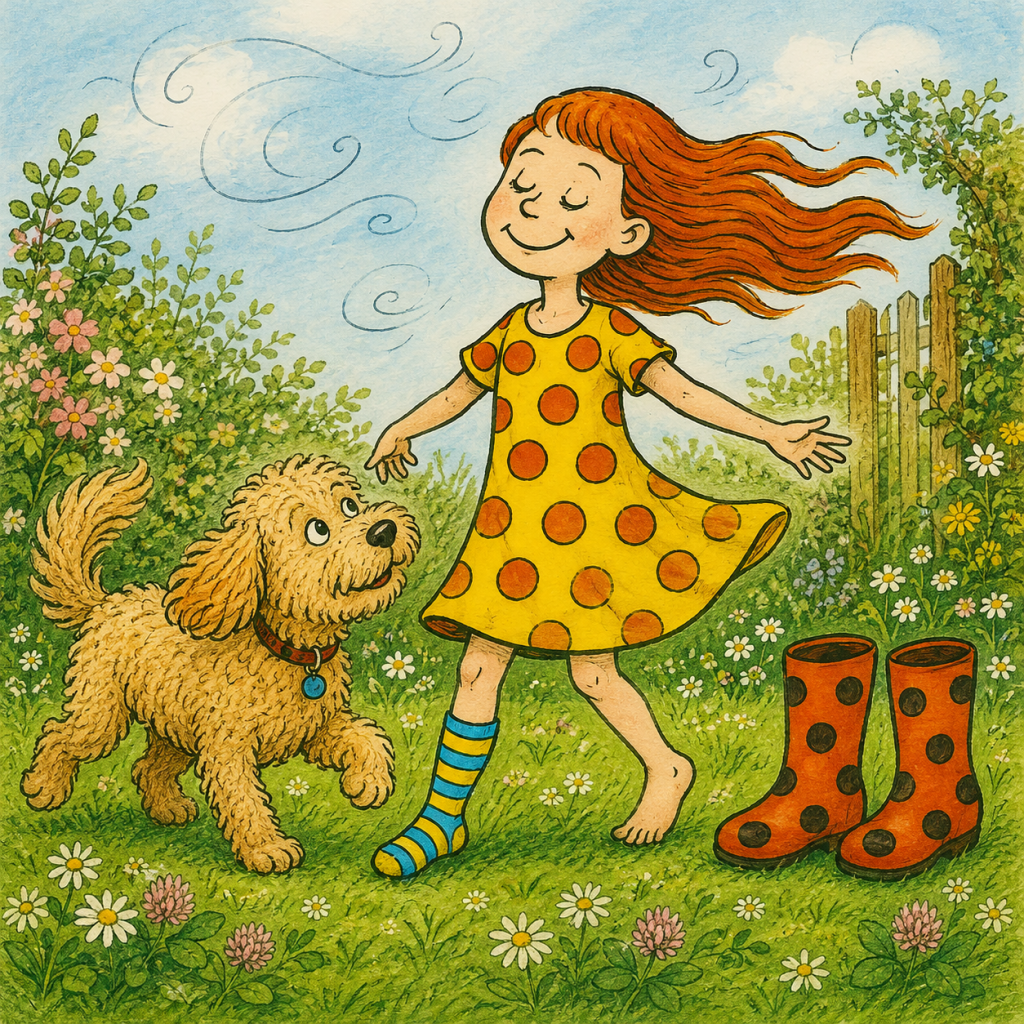
    Lottie B woke with a giggle and grin,
    Her dress full of dots, her hair in a spin.
    She twirled through the morning, one sock on her toes,
    The other foot bare — that’s just how it goes.

    Her boots on the lawn sat quietly and red,
    With polka-dot dreams still swirling in bed.
    They’d missed the parade, the skip and the song,
    For Lottie had danced — and danced all day long.

    She spun through the swirls in the sky’s cotton blue,
    Her striped sock told stories, her laughter brand new.
    The grass gave a tickle, the breeze gave a cheer,
    As our Lottie B twirled without any fear.

    She didn’t need both boots to leap or to play,
    Just one brave sock that stayed on all day.
    The clouds clapped softly — the sun gave a wink,
    And the boots by the tree slowly began to think…

    Perhaps they’d been silly to snooze and to wait,
    While Lottie B dashed through the garden gate.
    But she’d be back soon, with a smile and a shout,
    To tell them the tales they’d missed while left out.

    So if you should see her — one sock, no shoe —
    Just know that she’s dancing the whole day through.
    With dots on her dress and stripes on her feet,
    Lottie B’s rhythm is playful and sweet.

    For Lottie B, my funny, sock-averse granddaughter, who either has just one sock or no socks on at all, whose bare toes and bright spirit make every room lighter and brighter.

    With love — Opa

  • Bili’r Brôga ymhlith y llygad y dydd
    2–3 minutes

    This is the post where Welsh finally enters the blog, carried in by daisies, my daughter, granddaughter, and one wandering frog called Bili’r Brôga.

    For Little Lottie B (I Lottie B bach)


    Bili’r Brôga ymhlith y llygad y dydd
    They appear every spring in the same two patches of lawn I never quite manage to tame.
    Little white petals, yellow centres, opening as if the morning itself has nudged them awake.
    To me, they’ve always been daisies — simple, familiar, English.
    But my daughter calls them Llygad y Dydd.
    Eye of the Day.
    She says it with that easy Welsh confidence she’s grown into,
    and Lottie B repeats it after her, careful and proud,
    as if she’s being handed a small treasure.
    I only know a little Welsh — enough to recognise the shape of the words,
    not enough to claim them —
    but hearing those two say the name makes the garden feel bilingual,
    as if the flowers have been speaking Welsh behind my back for years.
    And then there’s the frog.
    My daughter named him Bili'r Brôga,
    because brôga means frog
    and because every creature in her world deserves a proper introduction.
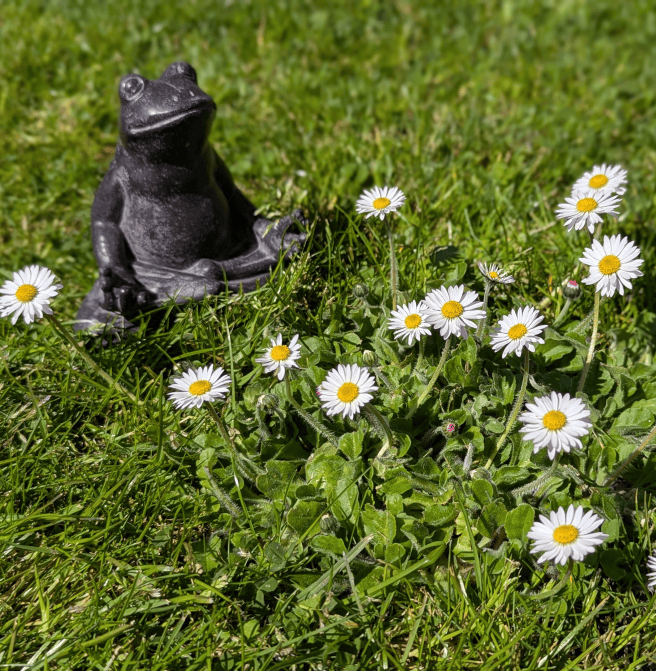
    He sits cross‑legged among the daisies,
    a tiny stone monk presiding over his bright little congregation.
    Except, of course, Bili moves about.
    Sometimes I shift him a little to the left,
    sometimes closer to the path,
    sometimes into a patch of sun he seems to enjoy.
    And every time, without fail,
    Lottie B goes searching for him —
    a small, determined pilgrim on the trail of her wandering frog.
    Lola trots past with a stolen sock,
    glancing at Bili'r Brôga as if he’s the only one
    who truly understands her mischief.
    The daisies don’t mind.
    They open, they close, they return.
    They’ve seen all of this before.
    I step around them — the frog, the flowers, the Welsh lesson,
    the small inheritance of names —
    because some things in a garden deserve to stay exactly where they grow,
    especially the ones that carry stories
    I didn’t know I was passing on.

    I’ll shift Bili’r Brôga before they arrive, of course — his small wanderings are part of the story now, and I can’t break the spell.