Ode to the Konstal 105Na
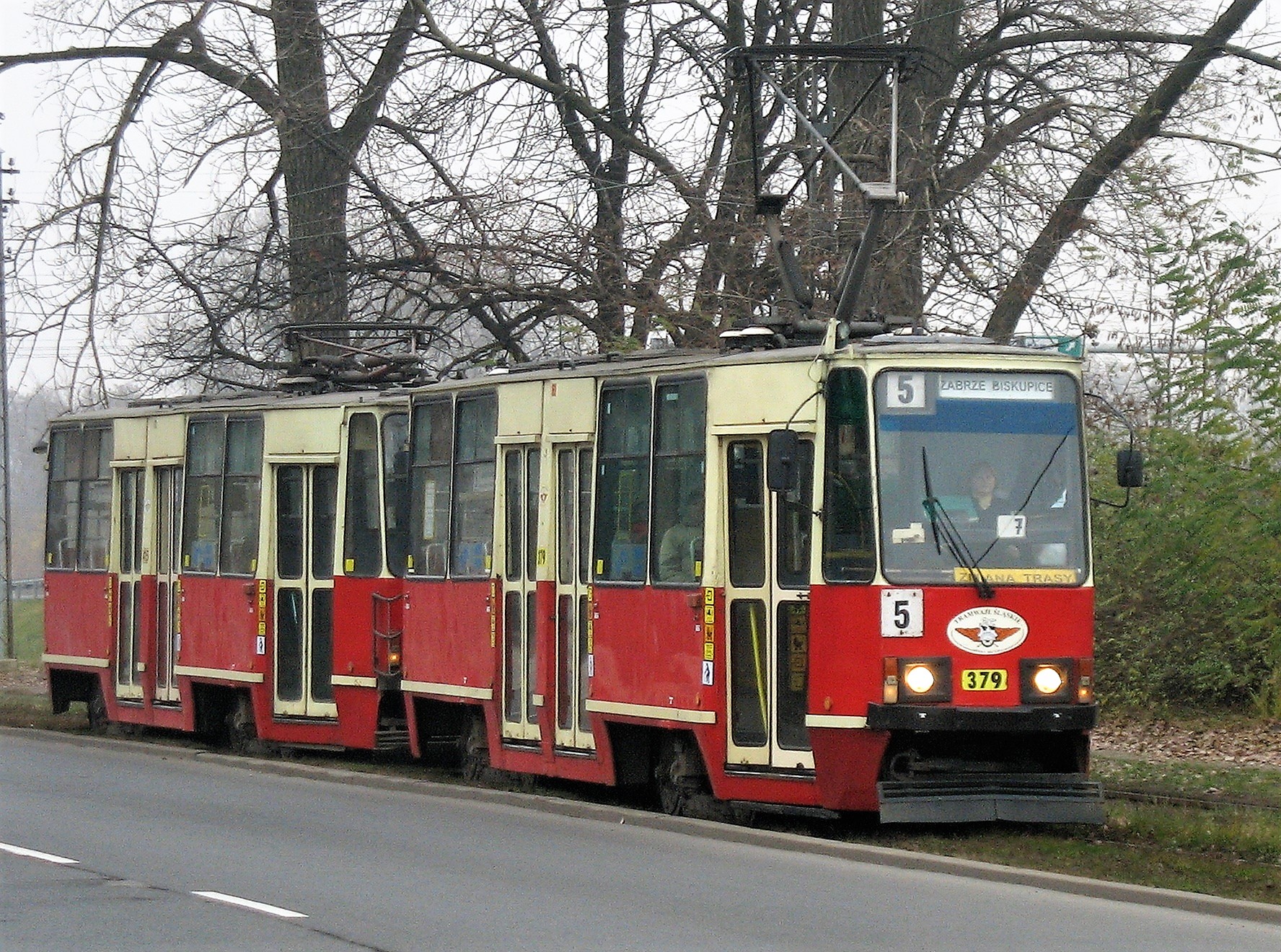
Photo: Nemo5576, CC BY-SA 4.0
My small contribution. I’ve always been fascinated by trams — all of them — but especially the ones I saw in Zabrze. There was something wonderfully stubborn about those Konstal 105Na units climbing the little rise on ul. Mikulczycka, as if the hill were negotiable only out of mutual respect. I never actually managed to ride that route. Only later did I learn that dedicated tram enthusiasts have a name for travelling around just to see them: tram bashing.
Apparently this is a real thing. I had no idea I’d been doing it accidentally.
Światowy Dzień Poezji 2026.
Mój skromny wkład. Zawsze fascynowały mnie tramwaje — wszystkie — ale szczególnie te, które widziałem w Zabrzu. Było coś uparcie uroczego w tych Konstalach 105Na wspinających się na małe wzniesienie na ulicy Mikulczycka, jakby ten podjazd był możliwy tylko dzięki wzajemnemu szacunkowi. Nigdy nie udało mi się przejechać tą trasą. Dopiero później dowiedziałem się, że zapaleni miłośnicy tramwajów mają na to specjalne określenie: tram bashing.
Okazuje się, że to naprawdę istnieje. Nie wiedziałem, że robiłem to zupełnie przypadkiem.
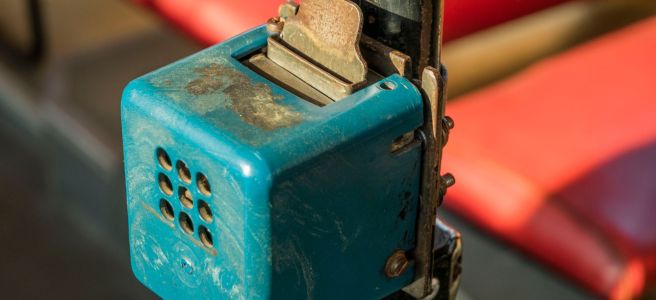
The old mechanical validators punched holes in paper tickets with such enthusiasm that someone, at some point, decided they must be “composting” them. Whether the clippings ever became actual compost is unknown. My memory insists they should have.
Mała uwaga o słowie komposter:
Stare kasowniki robiły w biletach dziurki z taką energią, że ktoś kiedyś uznał, iż to musi być „kompostowanie”. Czy te wycinki naprawdę trafiały do kompostu — nie wiadomo. Moja pamięć twierdzi, że powinny.
Małe słowa, wielki duch: Sileski jynzyk żyje dalij.
A small poem, a tribute to a language that survives, is used, and cherished for thousands. Silesian came to me through everyday objects: my “tasza”, gifts like poster prints, pin badges, memories, and the humble klapsznita — a sandwich. The teens were my students and actually replied in English; it was a warm-up exercise: asking them to describe what they’d eaten for breakfast that day. In truth, they described what they eat most days. All of them said the same thing: a sandwich.
I never used that as a warm-up exercise again.
I’ve used the Silesian word for sandwich with cheese, with ham, with tomato — and somehow that tiny shift carried a whole world with it.
(And yes — I know that what they ate were probably open style sandwiches, and that a true klapsznita has two slices of bread. Any Silesian speaker would have corrected me immediately. I learned that one the cheerful way.)
Later I learned that klapsznita belonged to miners and factory workers: two slices of hard Polish bread packed into a bait box for a long shift underground or on the line. What my students were describing was the softer, everyday sznytka. The correction came cheerfully, and I was glad of it. A single word can carry a whole world, and sometimes two worlds at once.
“What do you eat for breakfast?”
I ask.
Twelve teens look up,
twelve stories begin:
sznytka z syrōm,
sznytka z szynkōm,
sznytka z pōmidōrym.
One whispers Nutella,
as if breaking tradition.
And suddenly
the whole room smells
of Silesian morning.

 Ghosts to Carry, Stories to Keep