XSolve and Chilid:
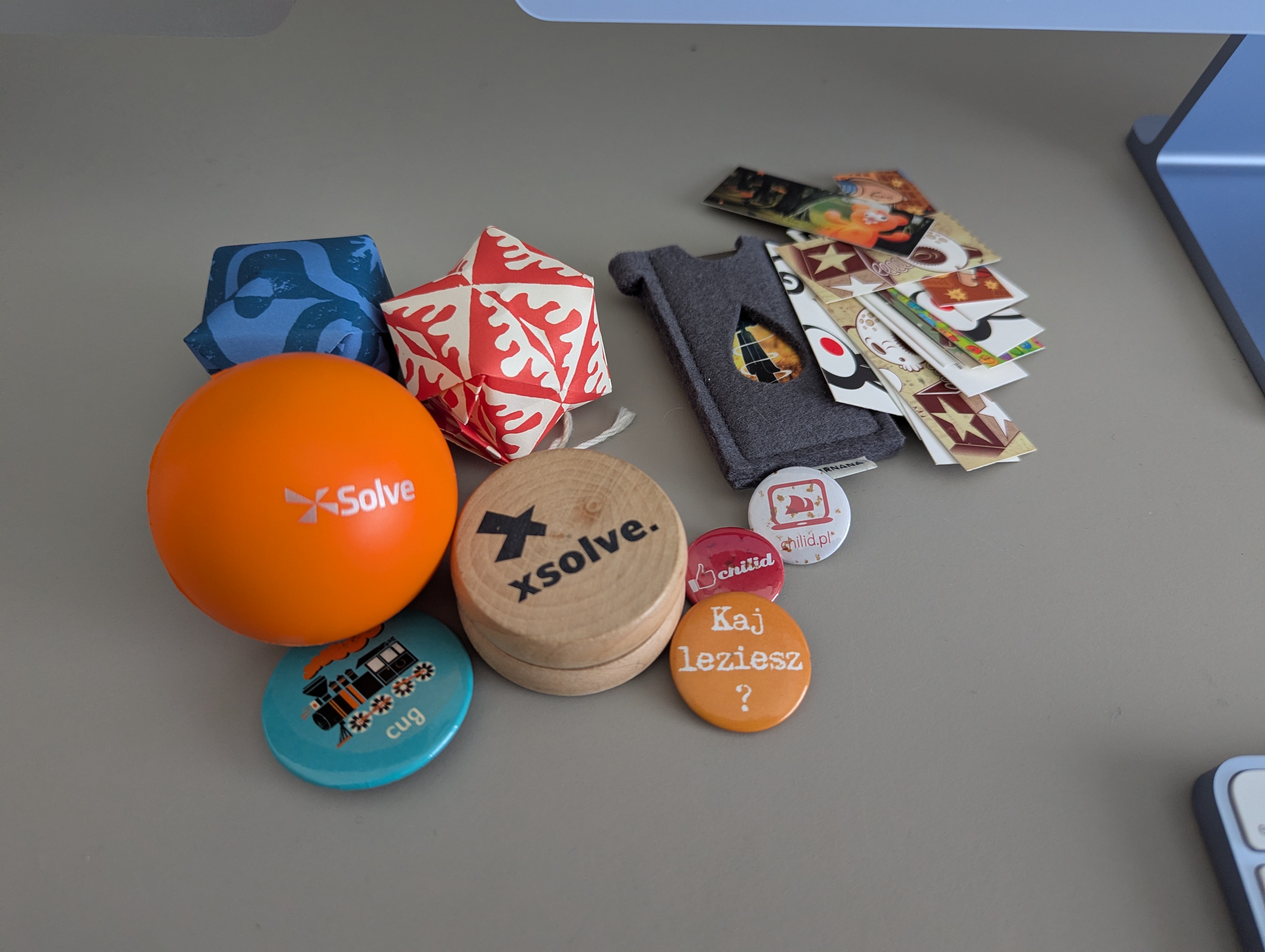
XSolve was a software development company, and Chilid was their sister company of graphic designers. Together, they were unlike any other place I ever taught. Their creativity and technical skill fascinated me. XSolve built the engine — the solid, reliable machinery beneath the surface —while Chilid added the colour and flair. Combined, they always felt a bit like a Silesian cug — a steam train full of character and momentum, carrying creativity forward with real style.
And then there was their office. A ground-floor converted loft space defined by exposed brick and industrial ventilation tubing overhead. It was part games room, part creative hub, buzzing with coders, designers, heavy headphones, and glowing monitors. It carried the kind of curated chaos that made you feel as though innovation was happening inside the walls themselves. There was even a table for piłkarzyki — or ‘little footballers’, as the Poles call a football table — those with plastic players on metal rods, where every evening match sounded like a small civil war. The team offered a perpetually friendly welcome, served great coffee, and even held summer beach parties with actual sand dumped outside the doors.
I only ever went there in the evenings, when the day had thinned out and the building had settled into a quieter rhythm. I’d arrive early, sink into one of the massive sofas, and let the atmosphere wrap around me. The coders who stayed behind moved in their own private worlds—headphones on, half‑lost in whatever code they were building — while the designers chatted gently at the far tables, their laughter low and warm. Someone would always wander over eventually to ask about my day, tease me about my bicycle, or brew me a fresh coffee. For a space that buzzed with kinetic energy during daylight hours, the evenings had an odd, lovely calm to them. Perhaps that’s why any sudden noise felt like a sharp rupture in the quiet — a single, unpredictable note in an otherwise peaceful room.
Because they had a parrot. A real one. In a cage.
He was a highly intelligent, intensely observant African Grey who watched the entire office with the cool, appraising stare of someone who had seen far too much. To this day, I’m still not convinced the cage was for the bird’s protection. I think it was for mine.
On my very first evening, I entered the loft pushing my bike, trying desperately to look as though I belonged when clearly I didn’t. The parrot turned its head slowly, deliberately, and then — without a shred of warning — launched into a strange, rhythmic, punk‑rock pogo dance. It was a head‑bobbing, full‑body vertical bounce that made me freeze dead in my tracks. I stared at it. It stared at me. I swear something fundamental shifted in that vestibule; from then on, the bird was never entirely sure about my presence.
Sometimes, entirely unexpectedly and always after hearing an English voice, namely mine, it would let out a sharp, metallic screech. It was the kind of industrial sound that made me wonder whether parrots could file formal HR complaints. The developers would laugh, and I would laugh right along with them.
The team, on the other hand, were exceptionally warm, funny, and frighteningly intelligent. They didn’t want rigid grammar drills unless they specifically asked for them. What they craved was creativity — fluid conversation, conceptual ideas, and movement. XSolve gave me the ultimate tools to deliver it. If I needed high-speed Wi‑Fi, it was instant. If I wanted to analyse a video, a foreign article, or a piece of art, they’d wave me toward the network as if it were a communal playground. Armed with my iPad and MacBook Pro, the sheer technical freedom made me a braver educator. Technology wasn’t an obstacle in that loft; it was an open invitation.
I became a kind of whiteboard wizard, frantically drawing diagrams, arrows, timelines, and visual metaphors—anything that could spark a live debate. It was the only corporate environment where I could be fully animated without anyone blinking an eye. In fact, they seemed to thrive on it. My high-energy presentation style balanced out the quiet, intense focus of the coders working behind the glass partition.
Once, in the middle of a particularly enthusiastic linguistic explanation, I grabbed a marker pen and began plotting definitions at high speed. It wasn’t until I stepped back — immensely proud of the sprawling masterpiece I’d just created — that my eyes caught the label on the casing. The marker was completely permanent.
A long, dead silence fell over the room.
Right on cue, the parrot screeched. Somewhere out in the main corridor, a designer laughed.
I stood there staring at the whiteboard, wondering whether that African Grey was about to be unleashed from its cage and if I could physically outrun it with my single-speed bike. Fortunately, they didn’t mind. Of course, they didn’t. Someone instantly fetched a bottle of industrial‑strength solvent, someone else poured a fresh coffee, and within minutes the board was spotless again. But for one brief, terrifying moment, I was entirely convinced the bird had been waiting all evening for that exact mistake.
XSolve was beautifully chaotic, surreal, and endlessly welcoming. It was a space where I could be entirely myself—animated, eccentric, and slightly bewildered—and somehow it worked. Even the punk parrot tolerated me in the end. Or, at the very least, he stopped pogo‑dancing every time I wheeled my bicycle through the front door.
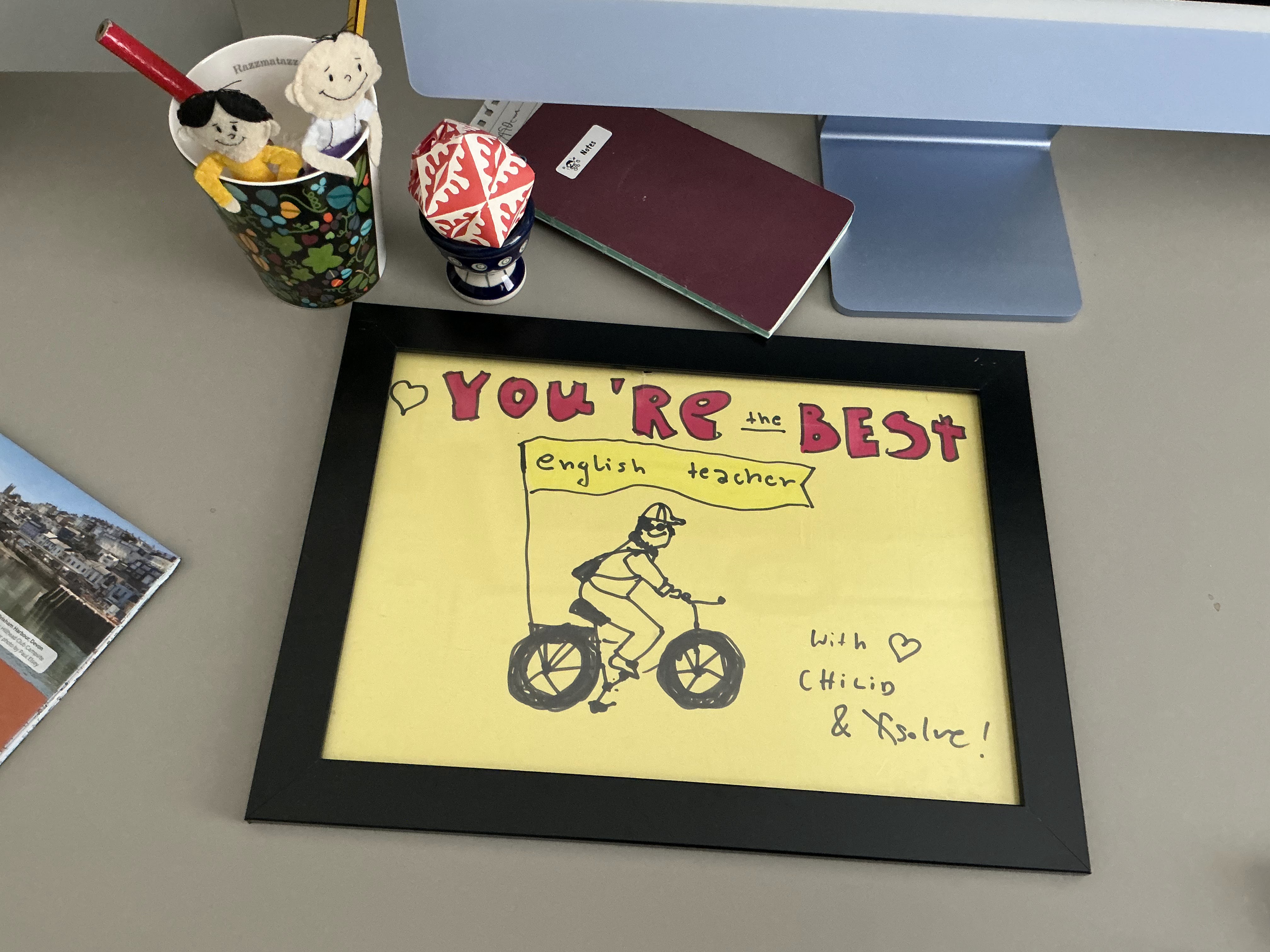
What I didn’t realize then—something that only surfaced years later while researching this chapter—was that the story hadn’t finished with me. Not quite.
Recently, while looking back through old photographs and half-forgotten details, I found myself trying to recall something oddly specific: the name of that pogo-dancing African Grey. I’m certain it had a name, but I failed to commit it to memory.
Hoping to find a picture or a clue, I decided to check the firms’ social media archives. Instead, I stumbled upon a revelation. XSolve and Chilid had moved out of their original ground-floor loft.
Their new headquarters looked incredible—completely restored, modern, and flooded with daylight. As I scrolled through the architectural photographs of the brick facade, a sudden shock of recognition caught my attention. I knew this building. Or, at least, I thought I did.
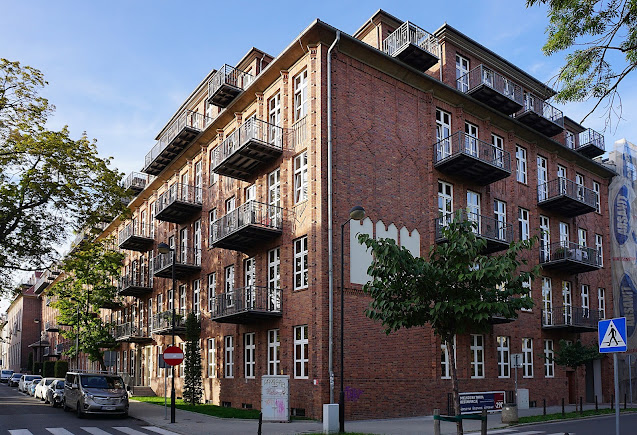
It took a moment for the geography to land. It was the same majestic brick structure I used to walk past almost daily during my final months in Gliwice: Number 13 on Królowej Bony Street. Back in 2014, it had been entirely empty—a remarkable historical monument left to fade, sad and vacant, but retaining that haunting beauty that abandoned brickwork always holds.
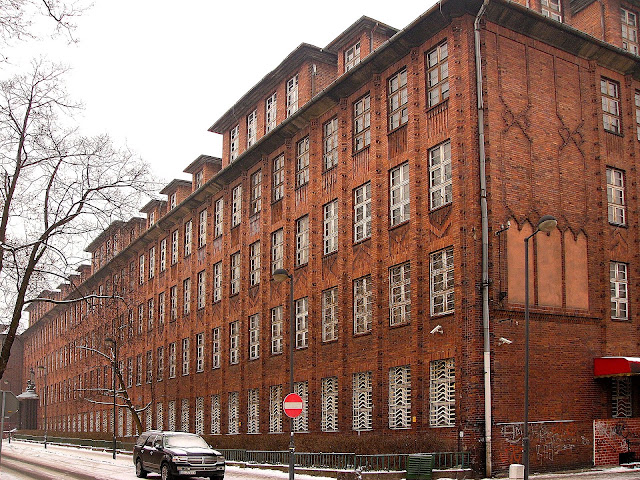
I distinctly remembered walking past its shadowed arches with my close colleague from Britam. I had stopped on the pavement to admire the ornate architecture. She had gone quiet, looking up at the grand entrance with a reflective, nostalgic expression, before pointing casually to the double doors. “I studied here,” she murmured.
It was the old Kolegium Nauczycielskie — the city’s historic Teacher Training College. She had sat on those very steps, attended lectures behind those tall windows, and built the foundational path that eventually led her into our shared profession. At the time, it was just a passing remark — one of those brief conversational fragments that doesn’t seem to carry any immediate weight.
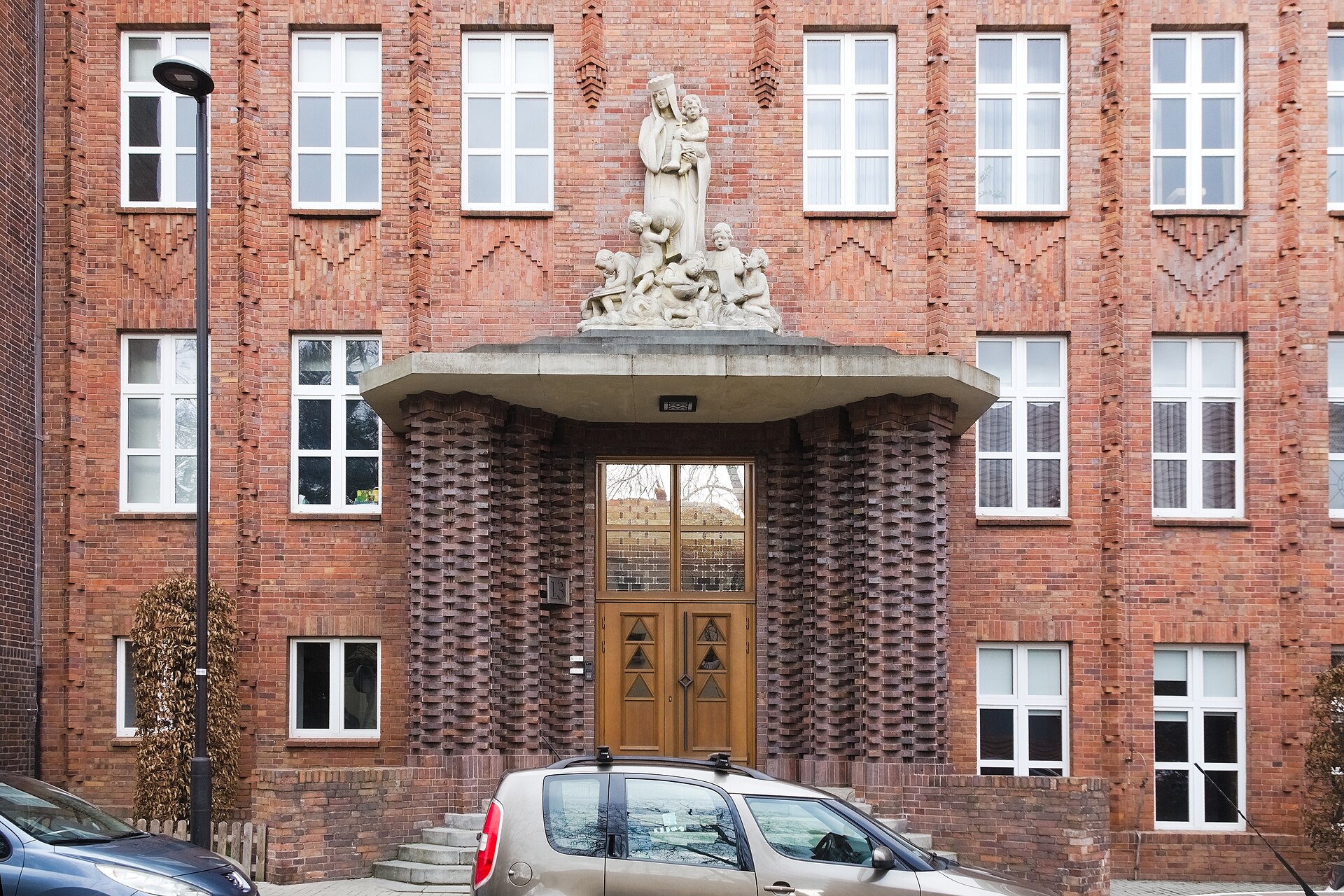
But sitting at my desk here in the UK years later, looking at that magnificent space brought back to vibrant life — now serving as the high-tech home to the very creative companies that had welcomed me so warmly — the entire perspective shifted. A quick email to my old friend confirmed the alignment. The place I had walked past without fully understanding had always been an invisible thread woven into the fabric of the story. Gliwice has a beautiful, uncanny way of doing that: of holding its human connections quietly in the brickwork, only revealing them when you are finally ready to see them.
The company eventually grew and evolved into a unified force known today as Boldare, but in my memory, they will always remain the two distinct spirits that first welcomed me. XSolve built the high-performance engine, Chilid gave it its brilliant aesthetic soul, and together, they created something utterly unique. They moved into that historic, empty school where my colleague once trained to be an educator, now transformed into a breathtaking, bleeding-edge tech ecosystem—a masterful blend of 1920s brickwork and glass-partitioned creative freedom.
Discovering that connection felt like one final gift from Gliwice itself. What had once seemed like an unrelated collection of workplaces, friendships, and chance encounters suddenly revealed itself as a tightly woven tapestry.
Yet, as spectacular as their new architectural home is, my mind always drifts back to those quieter evenings in their original ground-floor loft. I think of the kinetic energy, the smell of fresh coffee, the raucous civil wars over the piłkarzyki table, and the sharp, unpredictable screech of a punk-rock African Grey waiting for me to make a mistake with a permanent marker.
And then, at the end of that memorable term, came the official digital feedback form.
I still remember reading the slip, blinking, and wondering if it was a sophisticated joke, an elite compliment, or a brilliant mix of both. Under the mandatory “Comments” section, one of the software developers had simply written:
“Gary is badass.”
It was, once again, that phrase—the one that seemed to follow me through the cobblestone streets like a slightly confused tattoo. To this day, it remains the most unexpected piece of professional evaluation I have ever received in my career.
Looking back, it was one of the most joyful teaching environments I ever stepped into: a brilliant loft space full of exceptional minds, strong coffee, a raucous football table, and a bird who judged me far more harshly than any human ever did. And somehow, the whole glorious ecosystem was just… cool.
Next Story:


Leave a comment