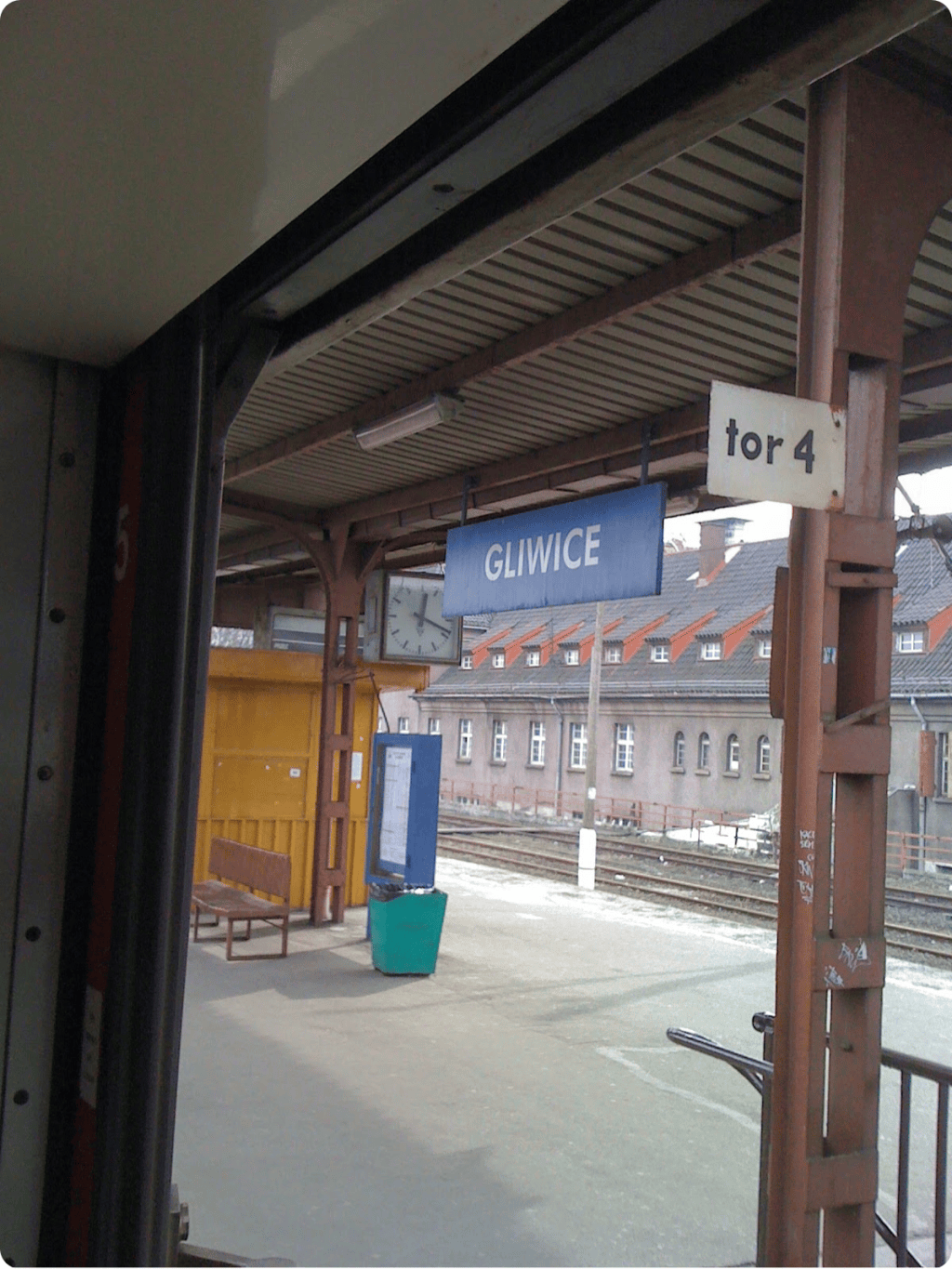
It was 9 March 2014, at 09:42, waiting on the platform at Gliwice station. The early-spring sky was a soft, pale blue towards the horizon—bright but biting cold, the sort of morning where the light looks warmer than it feels. And there, in that thin, quiet air, a PKP EU07 locomotive eased away from the platform. Pantograph raised against the overhead wires, its heavy electric whine gathered strength, a mechanical hum vibrating through the concrete like a half-forgotten memory. It rolled past with the massive, unassuming assurance of an industrial workhorse that had outlived fashions and timetables alike, hauling its immaculate coaches and the BAR car into the distance. A relic of iron and current, simply getting on with the job.
At the time of filming EU07-067 slide away from the Gliwice platform I had no idea I was actually capturing a machine with direct British ancestry.
The English Electric Connection:
In the late 1950s, Poland bought the direct technology licence and construction plans from English Electric (based on the British Rail Class 83 locomotives built in the UK).
Born in 1969:
This specific locomotive, EU07-067, was built in 1969 at the legendary Pafawag factory in Wrocław using that exact modified British design.
The Ultimate Workhorse:
When I filmed it in March 2014 hauling Intercity coaches and a classic WARS bar car, that machine had already been relentlessly pounding the Polish rails for 45 years straight. It is the absolute definition of an industrial workhorse.
The image of an ex-British police officer standing on a cold Gliwice platform, filming a machine engineered via British ancestry that spent half a century becoming the mechanical soul of Polish transit, brings my entire narrative arc into a beautiful, full circle.
 Ghosts to Carry, Stories to Keep
Leave a comment